Traditional video surveillance systems have been the standard for commercial security for decades. However, as businesses expand, security threats become more complex, and organizations rely more heavily on remote management, traditional on-premise camera systems are becoming harder to maintain.
Video Surveillance as a Service (VSaaS) is changing how businesses approach security by moving video management, storage, and analytics to the cloud. Instead of relying on physical servers and complicated infrastructure, organizations can monitor their facilities, manage multiple locations, and access critical footage from anywhere.
For businesses looking to modernize their security operations, VSaaS offers a more flexible, scalable, and efficient alternative to traditional surveillance systems.
What Is Video Surveillance as a Service (VSaaS)?
Video Surveillance as a Service (VSaaS) is a cloud-based security solution that allows businesses to store, manage, and access surveillance footage through an internet-connected platform.
Unlike traditional CCTV systems that require businesses to purchase and maintain local recording equipment, VSaaS shifts much of the infrastructure management to a cloud provider.
A typical VSaaS solution includes:
- IP security cameras installed throughout a facility
- Cloud-based video storage
- Remote monitoring through computers and mobile devices
- AI-powered video analytics
- Centralized camera management tools
This allows security teams to monitor facilities without being physically present or relying on complex on-site systems.
Why Are Businesses Moving Away From Traditional CCTV Systems?
Traditional surveillance systems can still be effective, but they often create challenges as organizations grow.
1. Expensive Hardware and Maintenance
Traditional CCTV systems require businesses to invest heavily in:
- Video recorders
- Storage servers
- Networking equipment
- On-site maintenance
- System upgrades
As storage requirements increase, businesses often need additional hardware investments.
VSaaS reduces these challenges by moving storage and management infrastructure to the cloud. Instead of maintaining servers internally, businesses pay for a service that is continuously updated and maintained.
2. Remote Access From Anywhere
One of the biggest advantages of VSaaS is accessibility.
With traditional systems, accessing footage often requires being physically connected to the organization’s network or visiting the facility.
Cloud-based surveillance allows authorized users to:
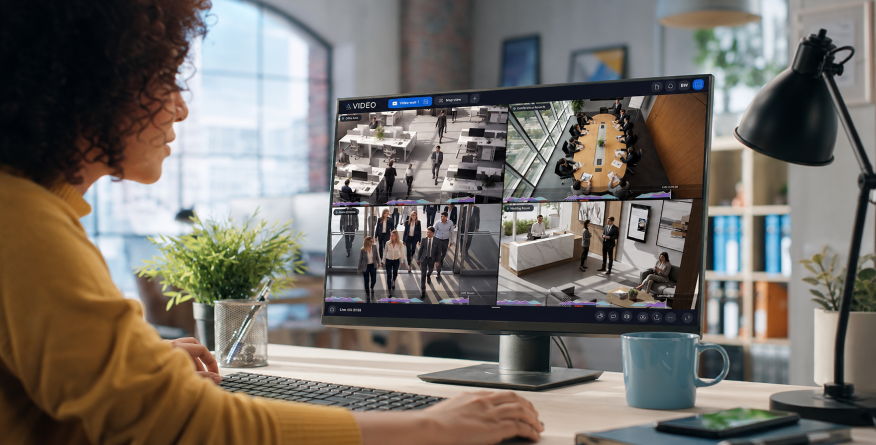
- View live camera feeds remotely
- Review recorded footage
- Receive security alerts
- Manage multiple locations
For organizations managing multiple facilities, this centralized access makes security operations much more efficient.
Example: A university security director can monitor cameras across multiple campuses from one dashboard instead of managing separate systems at each location.
3. Easier Scalability for Growing Businesses
Businesses rarely stay the same size forever. New offices, warehouses, campuses, and facilities require additional security coverage.
Expanding traditional surveillance systems can require:
- Additional servers
- New networking infrastructure
- Increased storage capacity
- More IT involvement
VSaaS makes scaling easier. Businesses can add cameras, increase storage, and expand coverage without completely rebuilding their security infrastructure.
This makes cloud surveillance especially valuable for:
- Multi-location businesses
- Growing companies
- Educational institutions
- Government facilities
4. Lower Total Cost of Ownership
While every security solution requires investment, VSaaS helps businesses move away from unpredictable infrastructure costs.
Traditional CCTV expenses often include:
- Hardware replacement
- Server maintenance
- Software updates
- IT support
- Storage upgrades
With VSaaS, businesses typically operate on a subscription model, making security costs more predictable.
The service provider manages much of the backend infrastructure, allowing internal teams to focus on security operations rather than system maintenance.
5. Improved Security With AI-Powered Analytics
Modern VSaaS platforms are not just replacing storage systems. They are introducing smarter security capabilities.
AI-powered video analytics can help businesses detect:
- Unauthorized access
- Suspicious activity
- People entering restricted areas
- Unusual movement patterns
- Safety violations
Instead of security teams constantly watching dozens of camera feeds, intelligent systems can identify important events and send alerts when action is required.
For commercial facilities, this can improve response times and reduce security blind spots.
6. Better Management Across Multiple Locations
Organizations with multiple facilities often struggle with fragmented security systems.
A traditional setup may require separate monitoring systems for:
- Different buildings
- Different campuses
- Different offices
VSaaS brings these systems together into a single centralized platform.
Security teams can manage cameras across multiple locations, review incidents, and maintain consistent security standards from one place.
VSaaS vs Traditional CCTV
| Feature | Traditional CCTV | VSaaS |
|---|---|---|
| Storage | Local servers | Cloud-based storage |
| Access | Mostly on-site | Remote access anywhere |
| Maintenance | Managed internally | Managed by provider |
| Scalability | Requires hardware upgrades | Add cameras easily |
| Multi-site management | Complex | Centralized platform |
| Updates | Manual | Automatic cloud updates |
| Analytics | Limited | AI-powered capabilities |
Who Can Benefit From VSaaS?
VSaaS can be beneficial for organizations that need reliable security monitoring without managing complex infrastructure.
Common users include:
Schools and Universities
Educational institutions need scalable security solutions to protect students, staff, and facilities.
VSaaS allows security teams to monitor:
- Entrances and exits
- Parking areas
- Campuses
- Restricted areas
while maintaining centralized control.
Commercial Buildings
Office buildings can use VSaaS to improve:
- Visitor monitoring
- Employee safety
- After-hours security
Industrial Facilities
Manufacturing plants and warehouses can benefit from:
- Large-area monitoring
- Remote oversight
- Safety compliance monitoring
Government Facilities
Government organizations often require reliable security systems across multiple locations while maintaining strict access controls.
Important Considerations Before Choosing VSaaS
Although VSaaS provides many advantages, businesses should evaluate several factors before implementation.
Internet Reliability
Since VSaaS relies on cloud connectivity, businesses need reliable internet infrastructure to ensure consistent performance.
Cybersecurity
Organizations should choose providers that offer:
- Data encryption
- Multi-factor authentication
- Role-based access controls
- Secure cloud infrastructure
Integration With Existing Systems
Businesses should consider whether the VSaaS platform integrates with:
- Access control systems
- Alarm systems
- Sensors
- Existing security cameras
Conclusion
As businesses face increasingly complex security challenges, traditional surveillance systems are evolving into smarter, cloud-based solutions that provide greater flexibility, accessibility, and control. Video Surveillance as a Service (VSaaS) allows organizations to modernize their security infrastructure, simplify management, and gain better visibility across their facilities without the limitations of traditional systems.
Whether you are upgrading an existing surveillance system or planning security infrastructure for a new facility, partnering with an experienced security integrator can help ensure the solution is designed around your organization’s requirements, operational workflows, and long-term goals. ESS helps businesses evaluate, design, and implement advanced security solutions that improve protection, enhance visibility, and support safer, more efficient operations.