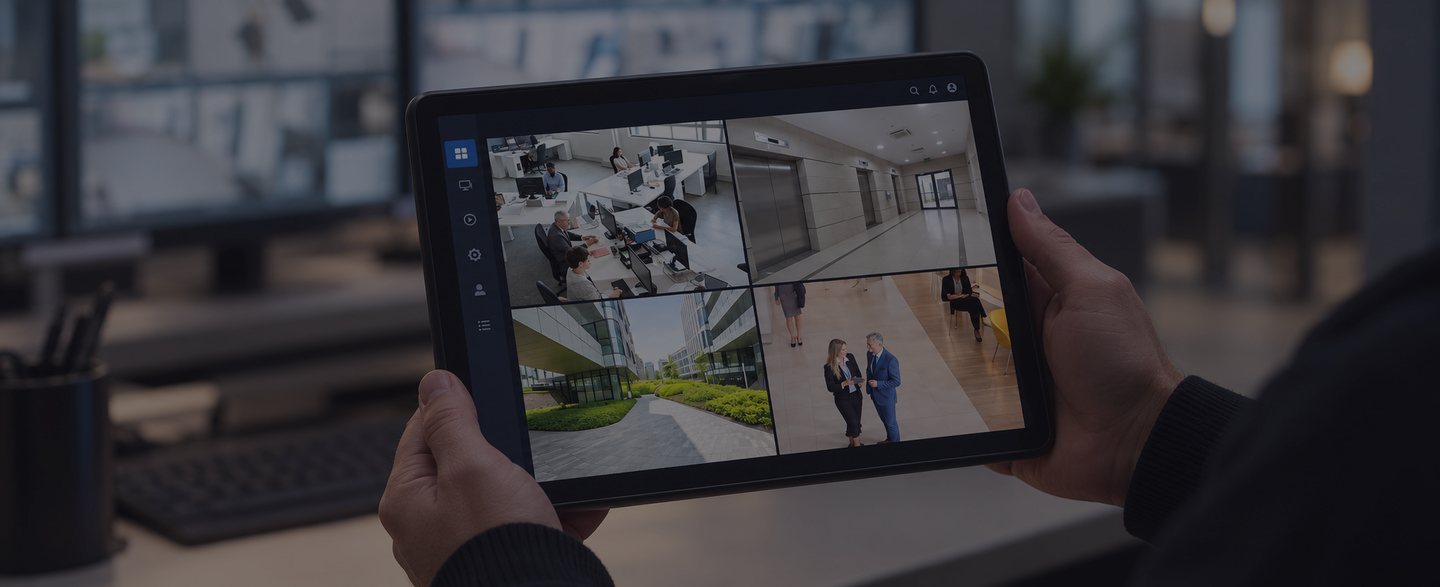
A security camera can capture someone entering your building, but it cannot physically stop them. An access control system can restrict entry, but someone might follow an employee through an open door. An alarm can detect unauthorized activity, but someone still needs to respond.
Each measure serves a different purpose. A layered security system combines these measures so your business has multiple opportunities to discourage unauthorized activity, detect an incident, restrict further access, and respond.
The approach starts with a practical question: if one security measure fails, what else is in place to protect your business?
What Is a Layered Security System?
A layered security system uses several protective measures that support one another. Often called defense in depth, it reduces dependence on any single device, system, or procedure.
For a business, these layers might include secure doors, exterior lighting, access control, surveillance cameras, intrusion detection, and employee procedures. Each addresses a different vulnerability.
If someone gets through an exterior entrance, an interior access restriction can still help protect sensitive rooms. If an alarm activates, camera footage can provide context for the person assessing the event.
CISA’s school security guidance describes layering as a way to reduce single points of failure. That principle also helps explain why businesses benefit from complementary measures across their premises.
Layering and Integration Have Different Roles
Layering means establishing multiple protective measures. Integration allows compatible systems to share information or coordinate selected functions.
A business can have layered protection without connecting every system electronically. However, appropriate integration can make security easier to manage. For example, connecting access control with video surveillance may allow staff to review footage associated with an unexpected door event.
Why One Security Measure Is Often Not Enough
Businesses sometimes build their security around one technology and assume it covers the entire property.
Cameras can provide valuable evidence, but recording alone does not ensure someone notices an incident as it happens. Electronic locks can manage entry, but their effectiveness depends on doors closing correctly and employees using them properly.
Layered security combines measures with different functions:
- Deter: Make unauthorized activity less appealing through visible protection and controlled entrances.
- Detect: Identify unexpected entry or suspicious activity.
- Delay: Make it harder to reach the building or sensitive areas.
- Respond: Give designated personnel the information and procedures needed to act.
The aim is to address the property’s risks with measures that work together. A small office and a warehouse with outdoor inventory will usually need different combinations.
The Main Layers of Business Security
Perimeter Security
The perimeter includes the areas people encounter before entering the building, such as parking lots, walkways, gates, loading areas, and outdoor storage.
Lighting can improve visibility near entrances. Fencing and gates can restrict access to selected spaces, while cameras can help staff observe activity around the property.
This layer should also support normal movement. Visitors need a clear route to reception, and delivery drivers need an appropriate place to unload. Defined routes make it easier to recognize when someone is somewhere they should not be.
The available options depend on the site. A tenant in a shared office building may have limited control over exterior spaces, while a standalone facility may be able to establish more extensive boundaries.
Building Access Control
Access control manages who can enter the building, which entrances they can use, and when access is permitted.
Electronic systems can use cards, key fobs, or mobile credentials. Depending on the system, administrators can assign permissions by role, set schedules, and revoke access when an employee leaves.
The physical entrance matters just as much as the credential reader. Locks, latches, door closers, and sensors need to function correctly. A door that stays open or fails to latch can undermine otherwise effective access control.
Employee awareness supports this layer. Staff should understand visitor procedures and the risks of allowing unfamiliar people to follow them through secure entrances.
Interior Access Restrictions
Entering the building should not automatically provide access to every room.
Server rooms, inventory storage, equipment rooms, and offices containing confidential records may need additional restrictions. These boundaries help protect valuable assets if someone gets past the main entrance.
Permissions should reflect legitimate business needs. A visitor attending a meeting may require access to reception and a conference room, while storage areas remain restricted. Employees can receive access appropriate to their responsibilities.
The design should remain practical. Unnecessary restrictions can encourage people to prop doors open or share credentials, creating new weaknesses.
Video Surveillance
Video surveillance provides visibility across selected areas and helps businesses review incidents.
Its usefulness depends on camera placement, lighting, viewing angles, image quality, and reliable recording. Installing more cameras does not necessarily improve coverage if they miss important areas or fail to capture useful detail.
Businesses should identify what each camera needs to show. Coverage of an entrance may need to capture entry activity clearly, while a loading area may require a broader view of deliveries and movement.
Depending on the equipment and configuration, analytics can flag selected events for review. Compatible integrations can also connect footage with access control events, helping staff understand what occurred.
Intrusion Detection
Intrusion detection helps identify unauthorized activity, particularly when the property is closed.
Door contacts, motion detectors, glass break sensors, and other devices can be selected according to the building’s needs. Their configuration should account for normal conditions to help reduce unwanted alarms.
An alert needs a clear destination and response process. Businesses should know who receives it, how the event will be assessed, and when it should be escalated.
Without those arrangements, detection can leave staff aware of a problem but uncertain about what to do next.

People and Procedures Make the Layers Effective
Technology supports security, but everyday behavior determines how consistently it works.
A secure door provides limited protection if employees regularly leave it open. An access control system becomes harder to manage if credentials are shared or former employees retain permissions.
Clear procedures should establish:
- How visitors check in and receive access
- Who updates employee access permissions
- How staff report faulty equipment or suspicious activity
- Who receives and assesses security alerts
- When incidents require emergency assistance
Employees should understand their responsibilities without feeling expected to investigate dangerous situations themselves. The response plan should provide a safe, clear route for reporting and escalation.
How Layered Security Works in Practice
Consider an attempted entry at a commercial facility after closing.
Exterior lighting and visible cameras may discourage the person from approaching. A locked entrance can delay entry. If the door is forced open, a sensor can trigger an alert, while nearby surveillance provides information about the event.
If someone enters the building, restricted interior doors can help limit access to equipment or sensitive rooms. Designated personnel can assess the available information and follow the response procedure.
Each layer adds another opportunity to identify or manage the incident. No individual measure guarantees protection, but together they reduce reliance on a single point.
How to Plan a Layered Security System
Start With a Site Assessment
Planning should begin with the property, its daily operations, and the assets that need protection.
An assessment should examine entrances, visitor traffic, operating hours, existing equipment, and previous incidents. It should also identify routine weaknesses, such as doors left open during deliveries, camera blind spots, or outdated access permissions.
Understanding these conditions helps businesses choose measures that address real problems.
Prioritize the Most Important Gaps
Improvements can be introduced in stages.
Repairing faulty door hardware may provide more immediate value than adding another camera to an adequately covered area. Establishing a reliable response to existing alarms may be more urgent than purchasing additional sensors.
Priorities should reflect the likelihood and potential impact of an incident, along with the business’s operational needs and budget.
Plan for Compatibility and Interruptions
If systems need to work together, confirm their supported integrations before purchasing.
Also consider what happens during a power outage, network interruption, or equipment failure. Appropriate backup power, recording arrangements, and alert delivery can help maintain essential functions, depending on the system design.
These decisions are easier to address during planning than after installation.
Keep Every Layer Working
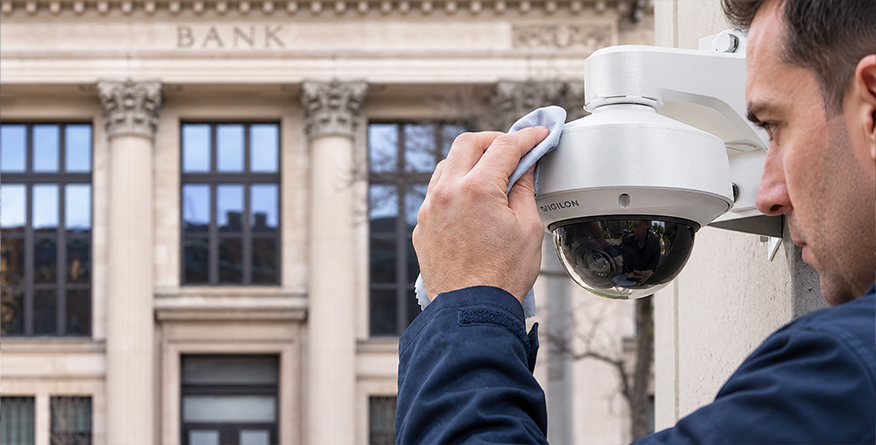
Maintenance preserves the value of the overall system.
Doors and locks experience wear. Camera views can become obstructed. Sensors can develop faults, and notifications may stop reaching the intended person after staffing changes.
Regular checks should cover equipment operation, footage quality, alarm delivery, and access permissions. Businesses should also reassess security when they add entrances, expand facilities, change operating hours, or introduce new uses for existing spaces.
A layered system remains effective only when its individual measures continue to perform their intended roles.
Strengthen Your Business Security With ESS
A layered security system combines physical protection, electronic systems, and clear procedures around the needs of your business.
The right approach gives each measure a defined purpose and considers what happens if another layer is bypassed. It should support daily operations while providing stronger protection for people, property, and valuable assets.
Electro Specialty Systems helps businesses in San Diego design, install, integrate, and maintain security systems, including access control, video surveillance, and intrusion detection.
Contact ESS to arrange a free security assessment and identify where additional protection could benefit your property.