Choosing the right commercial security company is an important decision for any business looking to protect its property, employees, customers, and assets. Whether you operate an office building, warehouse, retail store, healthcare facility, or industrial property, having a reliable security system can help reduce vulnerabilities and improve visibility across your premises.
However, finding the right security provider involves more than comparing installation costs or selecting the latest surveillance equipment. Commercial properties have different security requirements, and a system that works for one facility may not be suitable for another. The right security company should understand your business operations, identify potential vulnerabilities, recommend appropriate technologies, and provide dependable support after installation.
For businesses in San Diego, there are several important factors to consider before choosing a commercial security provider. This guide explains what to look for, which questions to ask, and how to evaluate security companies to make an informed decision.
1. Look for Experience in Commercial Security Systems
One of the first things to consider when choosing a commercial security company is its experience working with businesses. Commercial security systems are often more complex than residential installations because they must accommodate larger properties, multiple entry points, restricted areas, and different operational requirements.
For example, a retail store may need security cameras covering entrances, checkout counters, and inventory areas, while a warehouse may require surveillance across loading docks, storage facilities, and exterior perimeters. Similarly, an office building may prioritize access control systems that manage employee and visitor entry, whereas a manufacturing facility may need security solutions that protect equipment and restricted production areas.
An experienced commercial security company should understand these differences and be capable of recommending solutions based on the property’s layout, operational requirements, and potential risks. Before selecting a provider, ask about its experience with similar facilities, the types of projects it has completed, and whether it can provide relevant examples of previous installations.
2. Evaluate the Range of Security Solutions Offered
Commercial security is rarely limited to a single camera or alarm system. Businesses often need multiple security technologies working together to provide visibility, manage access, and respond effectively to incidents. Choosing a company that offers comprehensive security solutions can make it easier to build an integrated system rather than relying on multiple providers.
Commercial Video Surveillance
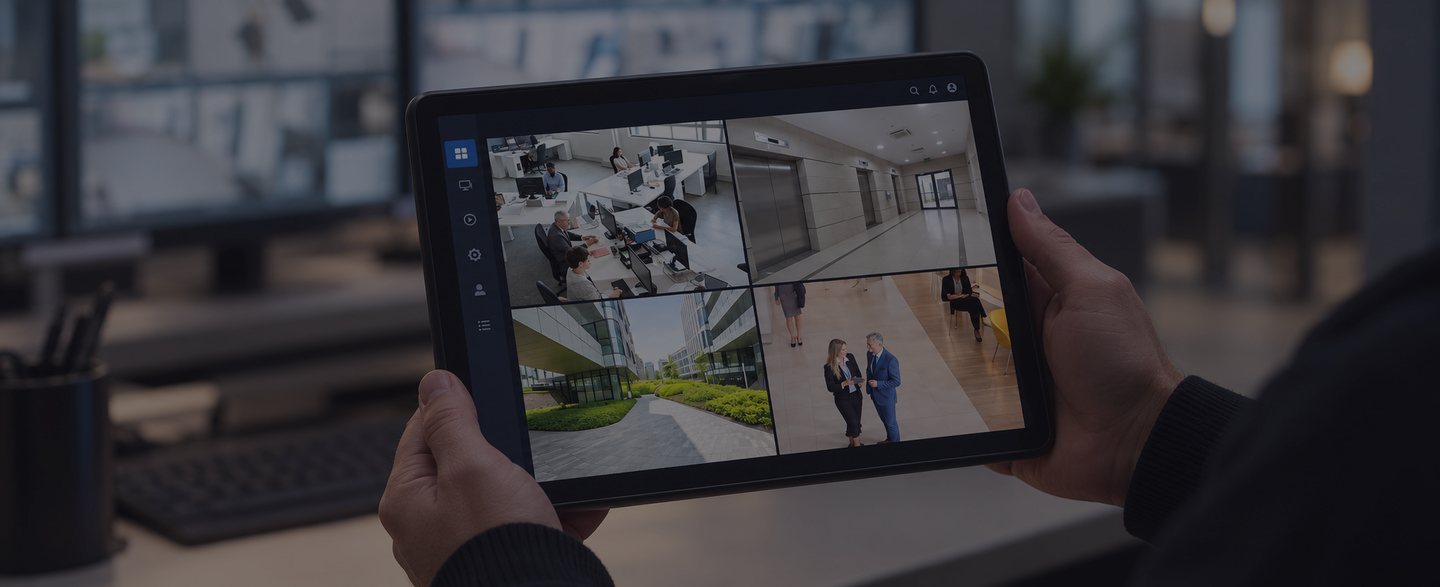
Video surveillance is one of the most widely used components of commercial security. Modern surveillance systems allow businesses to monitor activities, review recorded footage, and maintain visibility across different areas of a property. Depending on the equipment and configuration, businesses may also benefit from remote viewing, intelligent video analytics, and automated alerts.
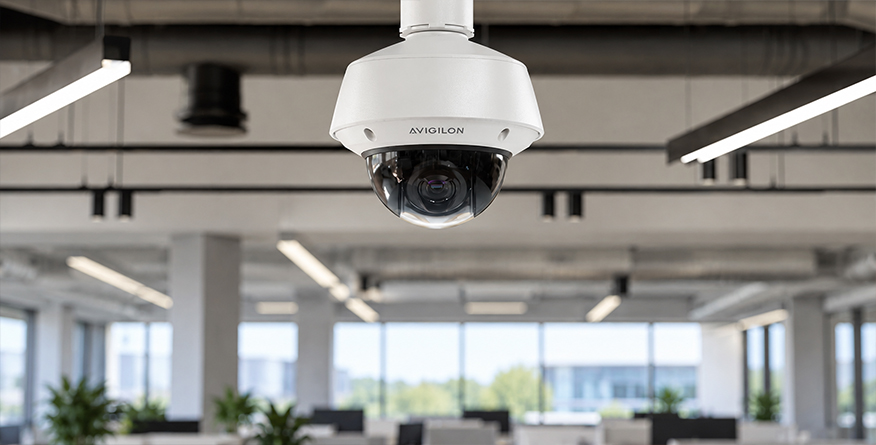
When evaluating a security company, consider whether it offers high-resolution IP cameras, indoor and outdoor surveillance, video management software, and appropriate recording and storage solutions. The provider should also explain how cameras will be positioned to cover important areas and how the system can accommodate future expansion.
Access Control Systems
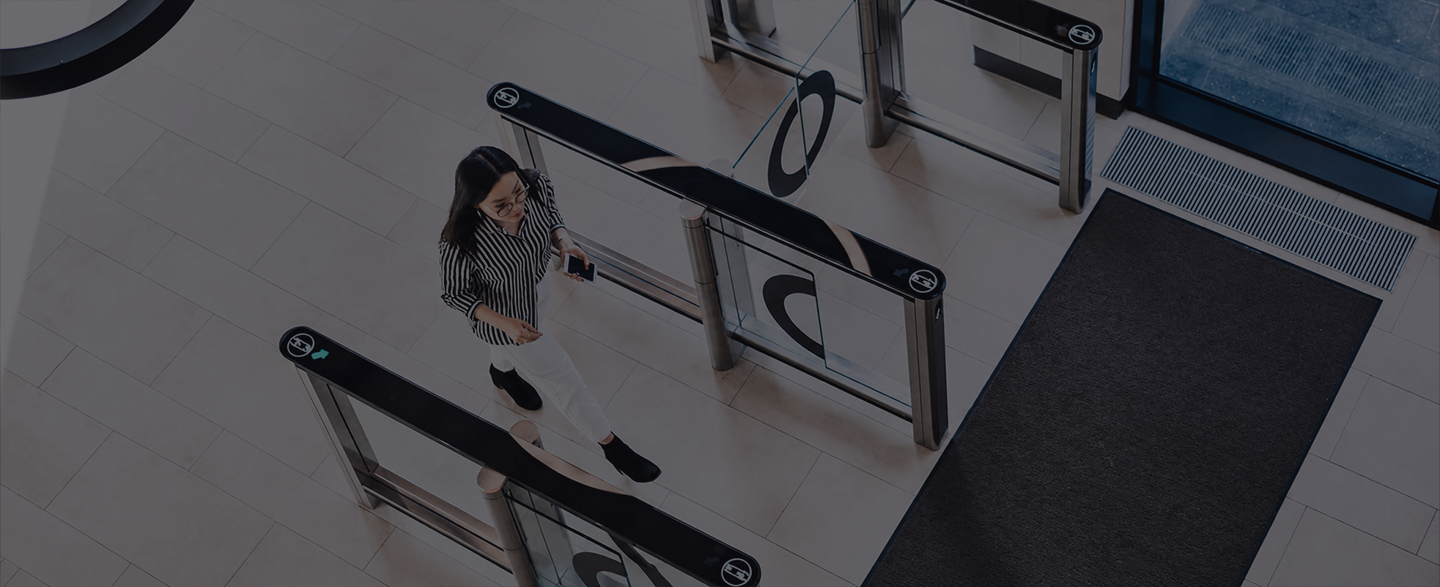
Access control systems help businesses manage who can enter specific buildings, rooms, and restricted areas. Instead of relying entirely on traditional keys, businesses can use electronic credentials, card readers, mobile access, and centralized management software to control entry permissions.
For example, a company may want employees to access common workspaces while restricting entry to server rooms, inventory storage areas, or management offices. A properly configured access control system can help enforce these restrictions while maintaining records of entry activity. When choosing a provider, ask whether its access control solutions can be customized to accommodate different employees, departments, and operating schedules.
Integrated Security Solutions
Businesses with multiple security requirements should consider providers capable of integrating surveillance and access control technologies. Integrated systems can simplify security management by allowing authorized personnel to monitor different security functions through compatible platforms.
For instance, when an access control event occurs, an integrated system may allow security personnel to review associated camera footage, depending on the capabilities of the installed technologies. This can make incident investigations more efficient and reduce the complexity of managing separate systems. A qualified security provider should explain which integrations are supported and how they would benefit your operations.
3. Consider the Security Technologies and Equipment They Use
The quality of the equipment installed can influence the reliability, performance, and long-term value of a commercial security system. While installation expertise is important, businesses should also evaluate the manufacturers and technologies recommended by a security provider.
Established manufacturers such as Motorola Solutions and Avigilon offer commercial security technologies, including video surveillance, access control, and security management solutions. These technologies can support different business requirements, from monitoring a single commercial property to managing security across multiple facilities.
However, selecting equipment from a recognized manufacturer does not automatically guarantee that it is the right choice for your property. The security company should be able to explain why it recommends specific cameras, recording systems, access control devices, or management platforms. It should also consider compatibility with existing infrastructure, software requirements, ongoing licensing costs, and future expansion.
Before making a decision, ask whether the provider has experience installing and configuring the technologies it recommends. A knowledgeable installer should be able to demonstrate how the equipment will address your security requirements rather than simply presenting a list of product features.
4. Verify Licensing, Insurance, and Professional Qualifications
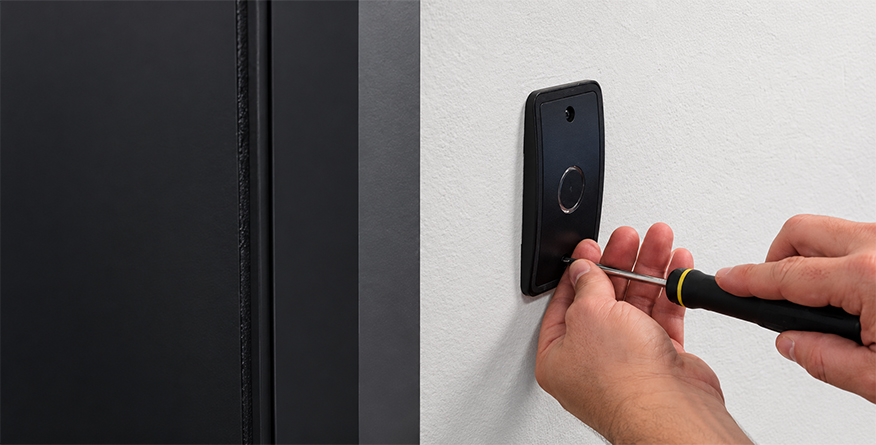
Commercial security installations may involve electrical connections, low-voltage wiring, network infrastructure, and other technical work that requires appropriate qualifications. Before hiring a security company in San Diego, businesses should verify that the provider holds the licenses required for the proposed scope of work.
In California, certain security system installations fall under contractor licensing requirements administered by the Contractors State License Board (CSLB). Depending on the type of work being performed, a contractor may need an appropriate classification, such as a C-7 Low Voltage Systems license or another applicable license. The correct requirements depend on the specific installation and services involved.
Businesses should also ask about general liability insurance, workers’ compensation coverage where applicable, technician qualifications, and installation warranties. These considerations help establish whether the provider is properly equipped to perform the work and address potential issues during installation.
Licensing information can be checked through the California Contractors State License Board. Taking the time to verify a provider’s qualifications before signing an agreement can help businesses avoid unnecessary complications later in the project.
5. Choose a Company That Conducts a Thorough Security Assessment
Every commercial property has unique vulnerabilities, which is why an effective security installation should begin with an evaluation of the facility. A security company that recommends equipment without understanding the property’s layout, existing infrastructure, or operational requirements may overlook important areas or propose unnecessary devices.
A professional security assessment helps identify locations that require surveillance, access restrictions, or additional protection. This may include entrances, parking lots, loading docks, storage areas, emergency exits, and other areas where unauthorized access or security incidents could occur.
During the assessment, the provider should also consider factors such as lighting conditions, camera visibility, network connectivity, existing security equipment, and how employees and visitors move through the property. These details can influence camera placement, access control configuration, and the overall design of the security system.
The goal of an assessment is not necessarily to install more equipment but to determine where security technology can provide the greatest value. Businesses should look for providers that explain their recommendations clearly and connect each proposed solution to an identified security need.
6. Evaluate Installation Quality and Technical Expertise
Even advanced security equipment can perform poorly when it is installed or configured incorrectly. Camera positioning, wiring quality, network configuration, device placement, and software settings all influence how effectively a commercial security system operates.
For example, a high-resolution security camera may still fail to capture useful footage if it is installed at an unsuitable angle or exposed to excessive glare. Similarly, an access control system may create operational difficulties if entry permissions are not configured properly or if door hardware is incompatible with the selected equipment.
A qualified security company should follow a structured installation process that includes planning, equipment configuration, testing, and system verification. Before the project begins, ask how the provider determines camera locations, handles cabling, coordinates with existing IT infrastructure, and tests the completed installation.
Employee training is another important consideration. Businesses should understand how to access surveillance footage, manage entry permissions, review system alerts, and perform basic administrative tasks. A provider that includes appropriate training and documentation can help your team use the installed system more effectively.
7. Ask About Ongoing Maintenance and Technical Support
Installing a commercial security system is only the beginning of maintaining a secure business environment. Surveillance cameras, access control devices, recording equipment, and management software may require periodic maintenance, updates, and troubleshooting to continue operating effectively.
Over time, businesses may experience equipment failures, network changes, software compatibility issues, or evolving security requirements. Without a dependable support arrangement, even a relatively minor technical problem can affect surveillance coverage or access management.
When comparing commercial security companies, ask what technical support is available after installation and whether the provider offers maintenance agreements. You should also understand how service requests are handled, whether remote troubleshooting is available, and what response times apply to different types of issues.
It is equally important to clarify which services are included in the original installation agreement and which require additional fees. Understanding these details beforehand can help businesses plan maintenance expenses and reduce uncertainty when technical issues arise.
8. Compare Pricing and Long-Term Value
Cost is an important factor when selecting a commercial security company, but the lowest installation quote does not always represent the best value. Different providers may recommend different equipment, installation methods, storage solutions, or service packages, making direct price comparisons difficult.
For example, one proposal may include basic cameras and recording equipment, while another may include advanced video management software, additional storage capacity, access control integration, and ongoing technical support. Although the second proposal may have a higher initial cost, it could offer capabilities that better support the business’s operational requirements.
When reviewing proposals, consider the complete cost of ownership rather than focusing exclusively on installation expenses. This includes equipment costs, wiring and labor, software licensing, video storage, maintenance, and potential expansion requirements.
A reliable security company should provide a clear proposal that explains the equipment being installed, the work included, expected timelines, and any recurring expenses. Transparent pricing makes it easier to evaluate competing solutions and determine which provider offers the most appropriate combination of functionality, reliability, and long-term value.
9. Look for Local Experience in San Diego
Working with a commercial security company familiar with San Diego can offer practical advantages, particularly when a project requires site visits, installation coordination, or ongoing technical support. Local experience may also help a provider understand the types of commercial properties and operational requirements common throughout the region.
Security needs can vary considerably across San Diego County. An office building in Downtown San Diego may prioritize employee access management and visitor monitoring, while a warehouse in Otay Mesa may require surveillance of loading areas, exterior perimeters, and inventory storage. Businesses operating in industrial areas such as Miramar may have additional requirements related to equipment protection and restricted access.
A provider familiar with these environments may be better positioned to identify relevant security considerations and recommend practical solutions. However, local presence alone should not determine your decision. Businesses should also evaluate the company’s technical qualifications, installation experience, communication, and ability to provide reliable service.
Before selecting a provider, confirm which areas it serves, whether it can support multiple business locations, and how it handles on-site service requests. These factors become especially important for organizations planning to expand or maintain security systems across several properties.
10. Consider Cybersecurity and System Scalability
Modern commercial security systems increasingly rely on network-connected cameras, cloud-based software, and remotely accessible management platforms. While these technologies provide greater flexibility, they also make cybersecurity an important part of security system planning.
A commercial security company should understand how to configure connected devices securely and manage access to surveillance footage and administrative controls. Depending on the system, this may involve secure authentication, user permissions, firmware updates, network segmentation, and appropriate data storage practices.
Businesses should also consider how their security requirements may change over time. A company operating from one location today may eventually open additional offices, expand warehouse operations, or introduce new restricted areas. Choosing a system that supports future expansion can reduce the need for extensive replacements or redesigns.
Ask prospective providers whether their recommended solutions can accommodate additional cameras, access control devices, and business locations. Understanding these capabilities before installation can help ensure that the system remains useful as operational requirements evolve.
Common Mistakes to Avoid When Choosing a Commercial Security Company
One of the most common mistakes businesses make is selecting a security provider based primarily on price. Although managing installation costs is important, choosing an inexpensive system that lacks essential coverage, reliable equipment, or adequate support may create additional expenses over time.
Another mistake is overlooking the importance of integration and scalability. Businesses sometimes install surveillance cameras and access control systems independently without considering whether the technologies can work together. This can result in separate management platforms, additional administrative work, and more complicated upgrades when security requirements change.
Failing to discuss ongoing maintenance is another potential problem. Commercial security systems require continued attention, and businesses should understand who will handle equipment failures, software updates, and future modifications. Establishing these responsibilities before installation can help prevent confusion and unexpected costs.
Finally, businesses should avoid working with providers that do not adequately assess the property before recommending equipment. Security solutions should address actual vulnerabilities and operational needs rather than follow a standard installation package that may not suit the facility.
Choose the Right Commercial Security Partner for Your Business
Selecting a commercial security company in San Diego requires careful consideration of experience, technical expertise, equipment quality, installation practices, and ongoing support. The right provider should do more than supply security cameras or access control devices. It should understand your business, identify potential vulnerabilities, and recommend a system designed around your property’s specific requirements.
Taking the time to evaluate providers, compare proposals, and ask detailed questions can help businesses make informed security investments. Whether you are installing a new system, upgrading outdated equipment, or expanding security coverage across multiple facilities, choosing a qualified commercial security partner is an important step toward protecting your operations.
Commercial Security Solutions in San Diego From Electro Specialty Systems
At Electro Specialty Systems (ESS), we help businesses in San Diego strengthen their commercial security through video surveillance and access control solutions. Working with technologies from Motorola Solutions and Avigilon, our team focuses on helping commercial properties implement security systems that support their operational needs.
Whether you need commercial security camera installation, access control solutions, or improvements to your existing security infrastructure, ESS can help you explore options suited to your facility. Our goal is to help businesses make informed decisions about the technologies they use to protect their properties, employees, and assets.
Contact Electro Specialty Systems today to discuss your commercial security needs and explore the right solution for your business.