Security gaps are not always obvious.
Your business may already have security cameras, access control systems, alarms, and other safeguards in place. But having security technology does not necessarily mean every part of your property is adequately protected.
As businesses grow, layouts change, equipment ages, and security needs evolve. This can create vulnerabilities that go unnoticed until an incident occurs.
Here are some common signs that your business may have a security gap.
1. There Are Areas Your Cameras Cannot Clearly See
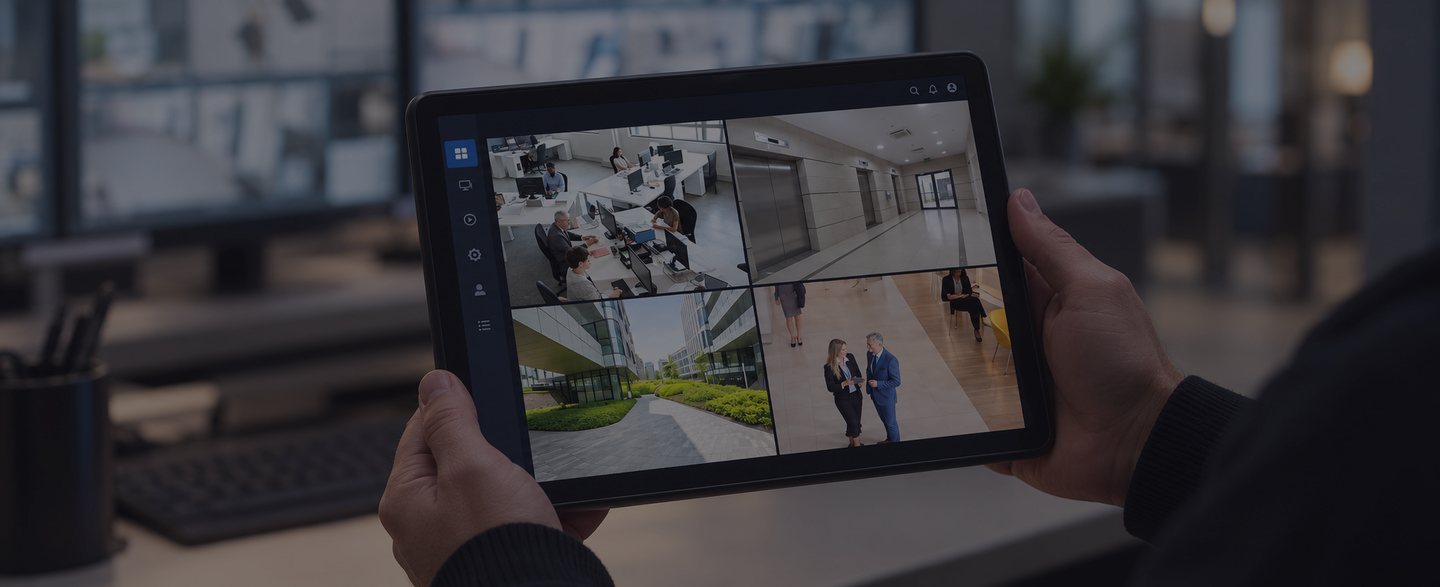
One of the easiest ways to identify a security gap is to look for areas where your surveillance system provides limited or no visibility.
These blind spots may include:
- Building entrances and exits
- Parking lots
- Loading areas
- Storage rooms
- Hallways
- Stairwells
- Areas around valuable equipment or inventory
Even when a camera covers an area, poor positioning, insufficient lighting, or low image quality can make footage less useful.
Walk through your property and compare what you can physically see with what appears on your surveillance system. If important areas are missing or difficult to identify clearly, your camera coverage may need to be reassessed.
2. You Don’t Know Who Is Entering Restricted Areas
Traditional keys provide access, but they offer very little visibility.
Once a key is issued, it can be copied, shared, lost, or remain in someone’s possession after they leave the company. Businesses that rely heavily on physical keys may have limited insight into who can access sensitive areas.
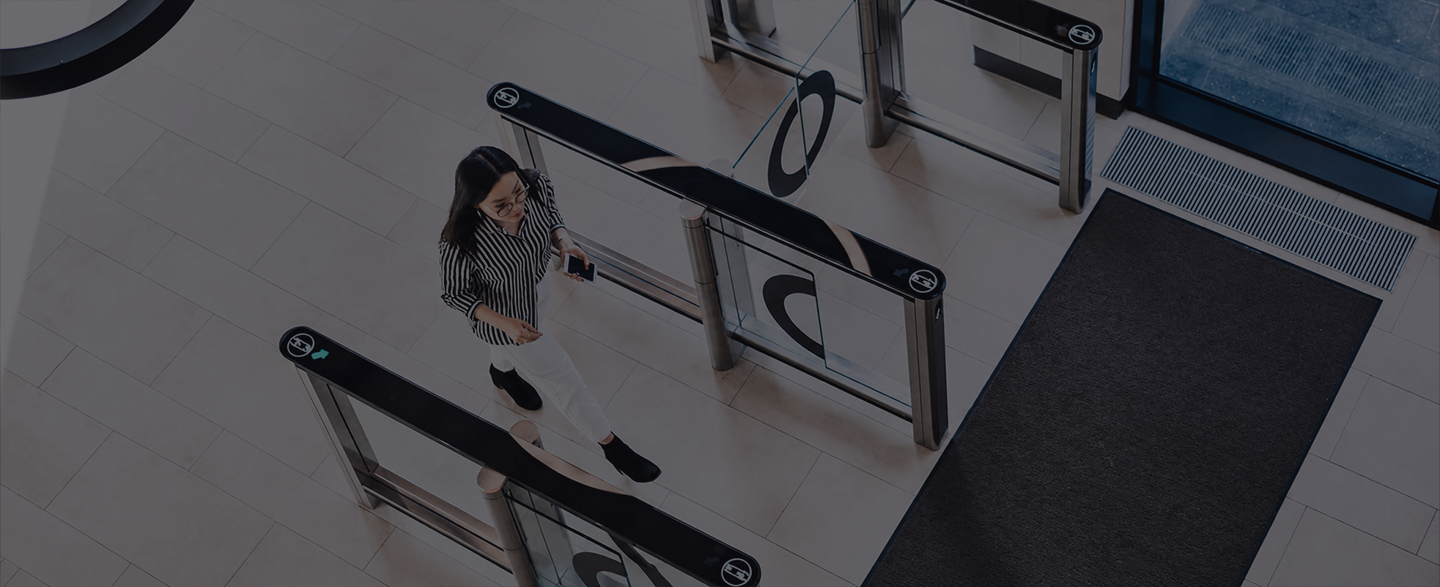
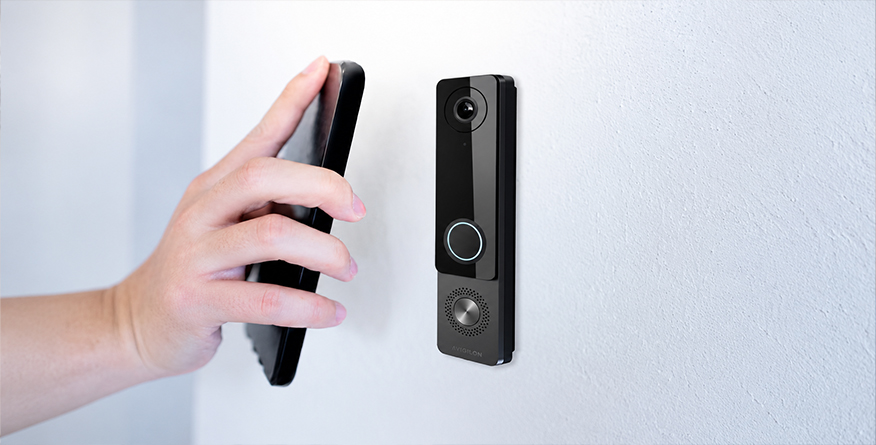
A modern access control system can help businesses manage permissions and maintain records of access activity.
If you cannot quickly determine who has access to a particular door or restricted area, it may indicate a gap in your physical security.
3. Your Security Systems Operate Separately
Many businesses add security technology gradually.
Cameras may be installed one year, access control added later, and intrusion detection implemented separately. The result can be several systems that work independently instead of functioning as one coordinated security environment.
For example, when an access event occurs, your team may need to manually search through camera footage to see what happened.
Integrated security systems can make it easier to connect events with relevant video and give security teams greater visibility across the property.
4. Your Security Equipment Hasn’t Been Reviewed in Years
A security system that worked well when it was installed may not provide the same level of protection today.
Your business may have:
- Expanded into additional space
- Changed entrances or exits
- Added new equipment
- Increased employee numbers
- Changed operating hours
- Created new restricted areas
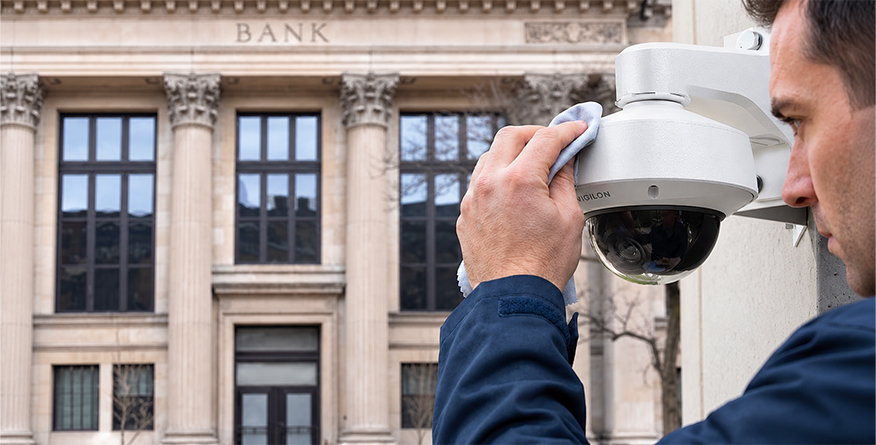
Older cameras and security equipment may also lack capabilities available in newer systems.
If your security setup has remained unchanged while your business has evolved, it is worth reviewing whether your existing coverage still matches your current risks.
5. Employees Regularly Work Around Security Procedures
Pay attention to how employees interact with your security systems.
Doors being propped open, employees sharing credentials, visitors entering without proper verification, or staff avoiding complicated security procedures can all create vulnerabilities.
Sometimes the problem is not the absence of security technology. The system may simply be inconvenient or poorly suited to everyday operations.
Effective security should protect the business without unnecessarily interfering with how employees work.
6. You Cannot Quickly Find Important Video Footage
Imagine an incident occurred yesterday and you needed to find the relevant footage immediately.
How long would it take?
If your team has to search through hours of video manually, deal with unreliable recordings, or discover that footage was not captured at all, your surveillance system may not be providing the visibility you need.
Modern video security systems can make it easier to investigate events, search recorded footage, and identify relevant activity.
7. You Have No Clear Picture of Your Security Risks
One of the biggest warning signs is simply not knowing where your vulnerabilities are.
Businesses often assume they are protected because security equipment is already installed. But without periodically reviewing the property, it can be difficult to know whether cameras are positioned correctly, access permissions are appropriate, or important areas remain exposed.
A professional security assessment can help identify these gaps before they become larger problems.
Security Gaps Can Develop Over Time
A security vulnerability does not necessarily mean your original system was poorly designed.
Businesses change.
Buildings are renovated. Teams grow. New equipment is installed. Operations expand. New risks emerge.
Your physical security strategy should evolve alongside those changes.
Regularly reviewing your video surveillance, access control, intrusion detection, and overall security infrastructure can help ensure your systems continue to protect the areas that matter most.
Get a Professional Security Assessment
If you’re unsure whether your current security system is providing complete coverage, Electro Specialty Systems (ESS) can help.
ESS works with businesses to assess existing security infrastructure, identify potential vulnerabilities, and recommend solutions based on the property’s specific requirements.
From commercial video surveillance and access control to intrusion detection and integrated security systems, our team can help you determine where your current setup may need improvement.
Request a free security assessment from ESS and find out where your business may be vulnerable.