Power outages can disrupt business operations, interrupt communication, and create unexpected security risks. While most businesses have plans for keeping essential operations running, they may overlook what happens to their security systems when electricity is unavailable.
Security cameras, access control systems, intrusion alarms, and monitoring equipment all rely on power in different ways. Some may stop working immediately during an outage, while others can continue operating through backup batteries or alternative power sources.
Understanding how security systems function during a power outage can help businesses identify vulnerabilities and prepare their facilities for unexpected disruptions.
Do Security Systems Work During a Power Outage?
Some security systems can continue operating during a power outage, but their ability to function depends on the equipment, backup power arrangements, and overall system design.
Modern commercial security installations often include multiple interconnected components. Cameras, recording equipment, access control panels, network switches, and alarm systems may all require electricity to function.
If these components lose power, certain security functions can become unavailable until electricity is restored.
However, systems equipped with properly configured backup power may continue providing essential protection for a limited period. The key is ensuring that critical components are supported, rather than assuming the entire security system will remain operational.
What Happens to Security Cameras When the Power Goes Out?
Most commercial security cameras require a continuous power supply to capture and transmit video. When that supply is interrupted, cameras without backup power will generally stop recording.
However, the effect of a power outage depends on how the surveillance system is installed.
IP Cameras and PoE Systems
Many modern commercial security cameras use Power over Ethernet (PoE), which allows them to receive electricity and transmit data through a single network cable.
Although PoE reduces the need for separate electrical connections at each camera, it does not make cameras independent of electricity.
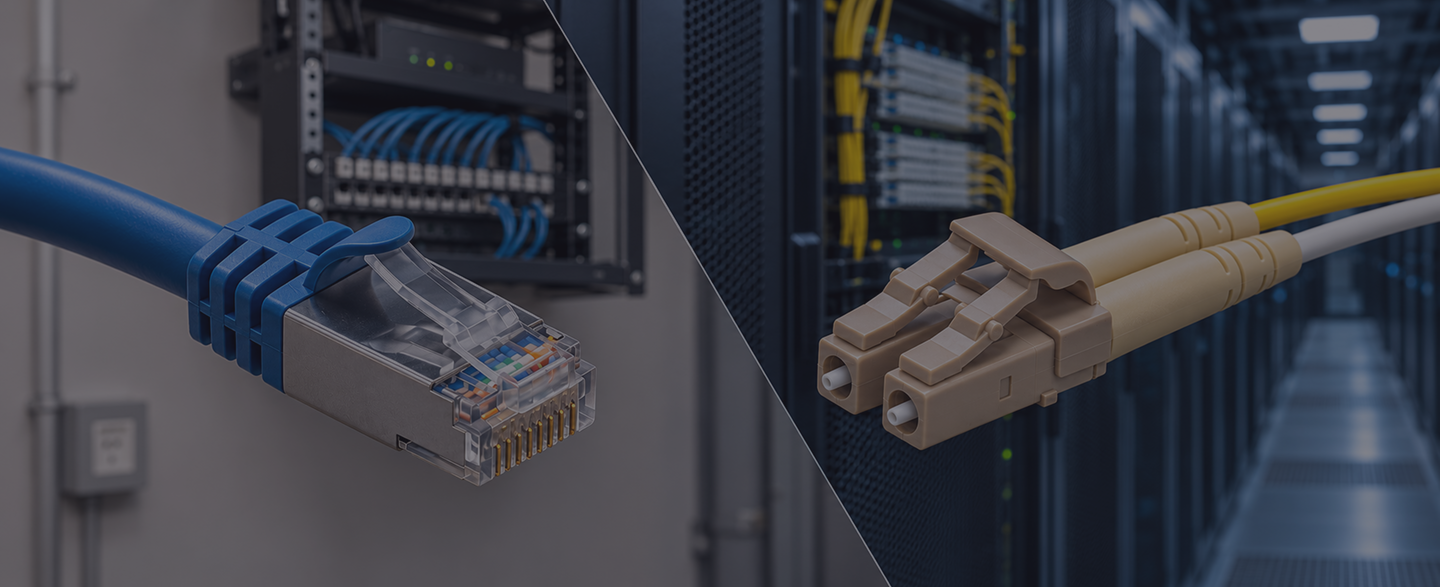
If the PoE network switch loses power, connected cameras may also shut down. Even when cameras remain powered, recordings can be interrupted if the network video recorder (NVR) or other required network equipment becomes unavailable.
For this reason, businesses should evaluate the complete surveillance infrastructure when planning backup power.
Can CCTV Cameras Keep Recording During an Outage?
Yes, CCTV systems can continue recording during power outages when the necessary equipment receives backup power.
For example, a surveillance system with a properly sized uninterruptible power supply (UPS) may maintain power to cameras, network switches, and recording equipment during a temporary interruption.
Some cameras also support local storage, allowing them to record directly to an onboard memory card when configured appropriately. However, these cameras still require a functioning power source.
The important distinction is that keeping a camera powered does not automatically guarantee that video is being recorded or stored successfully. The entire recording process must remain functional.
What Happens to Access Control Systems During Power Failures?
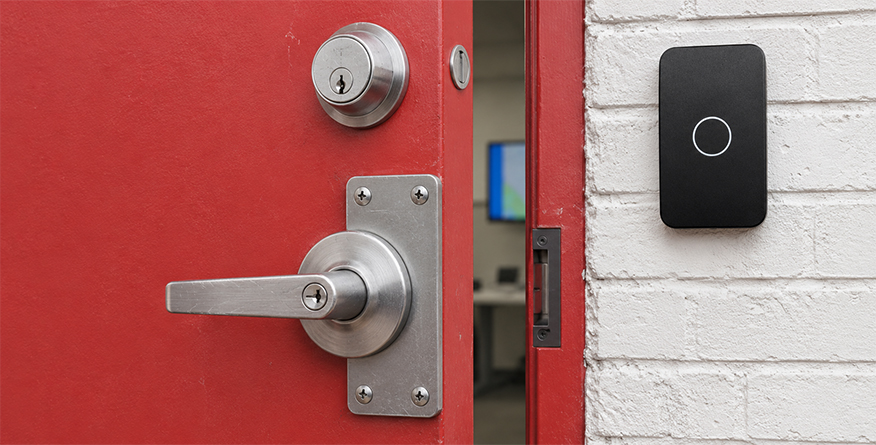
Access control systems manage entry into commercial buildings through electronic locks, card readers, controllers, and other connected devices.
During a power outage, their behavior can vary considerably depending on the type of locking hardware and system configuration.
Two important concepts determine how many electrically controlled doors behave when power is lost.
Fail-Safe Locks
Fail-safe locking hardware unlocks on the secure side when power is removed.
This configuration is used in applications where releasing the lock is necessary for safety or operational requirements. For example, certain electromagnetic locking systems release when electrical power is interrupted.
However, this can also create security concerns if previously restricted entry points become accessible during an outage.
Fail-Secure Locks
Fail-secure locking hardware remains locked on the secure side when power is removed.
This can help prevent unauthorized entry during an electrical interruption, depending on the hardware and installation.
Importantly, fail-secure does not necessarily mean occupants cannot exit. Many properly designed fail-secure door assemblies allow normal mechanical egress from inside the building.
The appropriate configuration depends on the door’s function, applicable building and fire safety requirements, and the facility’s security needs.
Why Access Control Backup Power Matters
Backup power can help maintain access control functions such as credential authentication, door monitoring, and electronic access management.
However, access control systems should never be configured in a way that compromises required emergency exits.
Businesses should work with qualified security professionals to ensure that their access control systems balance building security, operational continuity, and occupant safety.
Do Intrusion Alarm Systems Work Without Electricity?
Unlike many surveillance devices, some commercial intrusion alarm systems include dedicated backup batteries.
When the main electricity supply is interrupted, these batteries can help keep essential alarm functions operational for a limited period.
Depending on the system, backup power may support:
- Door and window sensors
- Motion detectors
- Alarm control panels
- Security alerts and notifications
- Communication with monitoring services
However, backup batteries have limited capacity and may eventually become depleted during extended outages.
The condition of the batteries also matters. An aging or faulty battery may not deliver the expected operating time.
Will the Alarm Still Send Notifications?
This depends on how the alarm system communicates.
An alarm system that relies entirely on an internet connection may lose its ability to send remote notifications if the router or network equipment stops working.
Systems equipped with cellular communication may continue transmitting alarm signals when broadband connectivity is unavailable, provided the cellular communication equipment remains powered and the network is functioning.
Businesses should therefore verify both backup power and backup communication capabilities when evaluating intrusion detection reliability.
What About Remote Security Monitoring?
Remote security monitoring allows authorized personnel or monitoring providers to review alerts, view cameras, and respond to security incidents without being physically present at the facility.
However, power outages can interrupt remote monitoring if cameras, recording equipment, or network connections become unavailable.
Even when a camera continues recording locally, live remote viewing may stop if internet connectivity is lost.
A properly designed system may use backup power and alternative communication methods to maintain selected monitoring functions. The available capabilities will depend on the equipment and service configuration.
For businesses relying on remote monitoring, maintaining both electricity and communication infrastructure is important.
Meta title: Security Systems During Power Outages | ESSMeta Description: Learn how power outages affect security cameras, alarms, and access control systems, and how backup power keeps your business protected.Slug: security-systems-power-outage
How Can Businesses Keep Security Systems Running During Power Outages?
There are several ways businesses can improve security system reliability during electrical interruptions.
1. Install an Uninterruptible Power Supply (UPS)
A UPS provides temporary battery power when the main electrical supply fails.
Depending on its capacity and configuration, a UPS can support equipment such as surveillance recorders, network switches, access control controllers, and other critical security devices.
UPS systems are particularly useful for short interruptions and for maintaining operations while another backup power source becomes available.
However, UPS operating time depends on battery capacity, equipment power consumption, and battery condition. Businesses should not assume that every UPS will support their equipment for several hours.
2. Consider Backup Generators
For facilities requiring longer periods of operation, a properly designed generator system may provide additional backup power.
Generators can support selected building systems during extended electrical outages, depending on their capacity and electrical configuration.
However, generators do not necessarily provide instantaneous power. Some installations require transfer equipment and a UPS to maintain critical security equipment during startup.
Facilities should determine which security systems need continuous operation and how those systems will receive power during a prolonged interruption.
3. Provide Backup Power for Network Equipment
A common oversight is providing backup power to security cameras while leaving essential networking equipment unprotected.
Even if cameras remain operational, they may lose connectivity with recording servers or monitoring platforms when network switches, routers, or other components shut down.
Businesses should identify the complete network path supporting their security systems and determine which devices require backup power.
4. Maintain Alarm Batteries
Backup batteries should be inspected and tested according to manufacturer recommendations and applicable requirements.
Over time, batteries can lose capacity, reducing the amount of time a security system can operate without electricity.
Routine maintenance helps identify battery problems before an actual outage occurs.
5. Test Security Systems Under Outage Conditions
A security system may appear reliable during normal operations but behave differently when its primary electricity supply is interrupted.
Businesses should arrange controlled testing to verify whether cameras continue recording, alarms transmit notifications, and access-controlled doors behave as intended.
Testing should be performed by qualified personnel using appropriate procedures, particularly when security equipment interacts with fire protection, emergency exits, or other life-safety systems.
How Long Can Security Systems Run on Backup Power?
There is no universal backup power duration for commercial security systems.
A small intrusion alarm panel may operate for considerably longer on its dedicated battery than a surveillance installation powering multiple high-resolution cameras and recording devices.
Actual operating time depends on several factors, including:
- The number and type of connected devices
- Total electrical consumption
- Battery capacity and condition
- UPS configuration and efficiency
- Availability of generators or alternative power sources
For example, adding cameras or other equipment to an existing UPS increases the electrical load and may reduce available backup time.
Businesses should establish their required backup duration based on operational needs and any applicable standards, then ensure their systems are designed to meet those requirements.
Conclusion
A power outage should not leave a business uncertain about whether its security systems are functioning.
From surveillance cameras and access control to intrusion alarms and network infrastructure, every component plays a role in maintaining facility security. Understanding how these systems respond to electrical interruptions is an important part of planning for operational continuity.
At Electro Specialty Systems (ESS), we provide commercial security system design, installation, integration, and maintenance services for businesses throughout San Diego.
Whether you’re installing new security equipment or reviewing an existing system, evaluating backup power and system reliability can help identify potential vulnerabilities.
Is your commercial security system prepared for a power outage?
Contact ESS to request a free security assessment and discuss your facility’s security needs.