Security threats can take many forms, from unauthorized people entering a facility after hours to someone attempting to access a restricted area, equipment room, or sensitive property. For commercial organizations, identifying these threats quickly is an important part of protecting employees, visitors, assets, and operations.
An intrusion detection system (IDS) provides a dedicated layer of security that helps identify unauthorized access and suspicious activity. Depending on the facility, an IDS can monitor doors, windows, interior spaces, gates, fences, and other vulnerable areas. When a potential intrusion is detected, the system can alert security personnel or a monitoring team so the event can be investigated and addressed.
Modern intrusion detection systems can also work alongside video surveillance, access control, and other security technologies. This allows organizations to build a more connected security environment where different systems work together rather than operating independently.
What Is an Intrusion Detection System?
An intrusion detection system is a security solution designed to identify unauthorized entry, attempted breaches, or other predefined security events. The system uses sensors and monitoring equipment to detect activity in protected areas and can generate an alarm when conditions indicate a potential intrusion.
For commercial properties, intrusion detection can be used to protect entrances, restricted rooms, outdoor areas, storage locations, equipment, and other sensitive parts of a facility. The exact configuration depends on the property’s layout, the organization’s security risks, and the level of protection required.
Unlike a security system that simply records what has already happened, an IDS is designed to actively detect a potential security event. This gives security personnel an opportunity to investigate the situation and respond before an incident develops further.
How Does an Intrusion Detection System Work?
An intrusion detection system typically combines sensors, control equipment, alarm devices, and monitoring software. Sensors are positioned in areas that need protection and continuously monitor for specific conditions, such as a door opening, movement in a restricted area, or activity along a perimeter.
When a sensor detects an event that matches the system’s programmed conditions, the information is sent to the central control system. Depending on the configuration, the system may trigger an alarm, send a notification, display the event on a monitoring platform, or notify security personnel or a monitoring center.
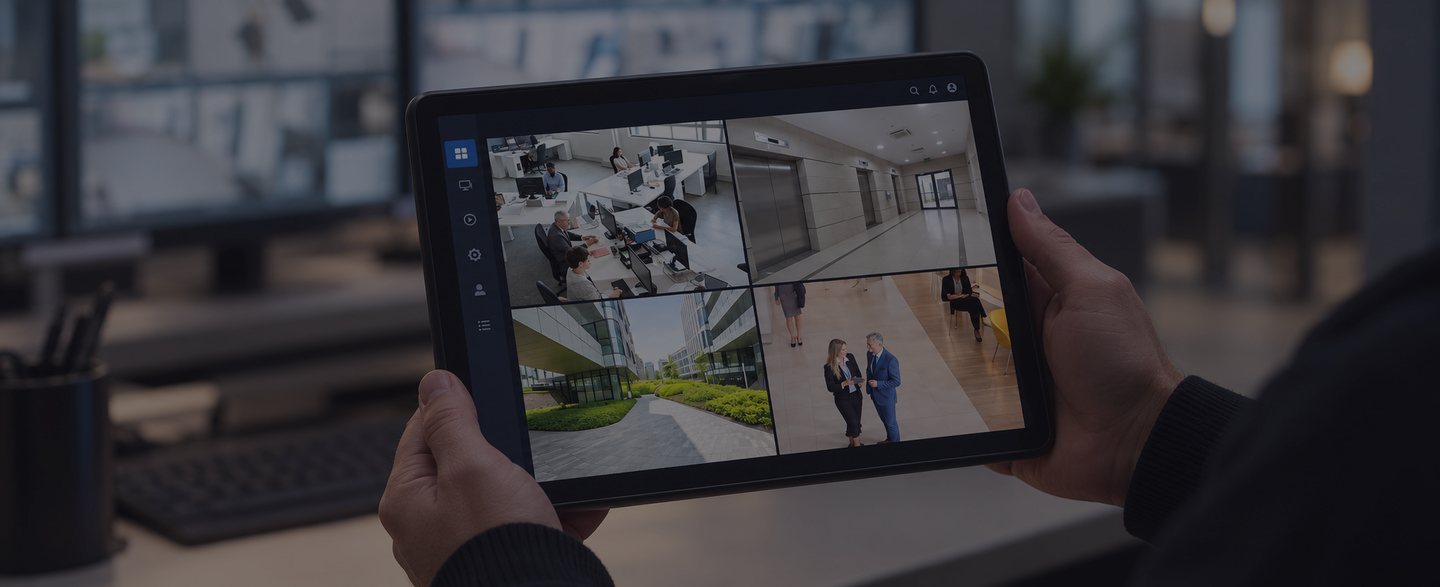
Modern systems can also connect intrusion events with other security technologies. For example, an intrusion alarm may be associated with nearby surveillance cameras, allowing security personnel to review video and determine whether the event represents a genuine threat or a harmless occurrence.
Key Components of an Intrusion Detection System
A commercial intrusion detection system is made up of multiple components that work together to detect, communicate, and respond to potential security events.
Sensors and Detection Devices
Sensors are the part of the system responsible for identifying activity. Depending on the environment, these can include door and window contacts, motion detectors, glass break sensors, perimeter detection devices, gate sensors, and other specialized technologies.
The right sensor depends heavily on the area being protected. A warehouse with large exterior doors, for example, may require a different approach from a corporate office protecting a server room or executive area.
Control Panel
The control panel serves as the central point for the intrusion detection system. It receives information from connected sensors, evaluates alarm conditions, and communicates with the devices and software responsible for alerting security personnel.
A properly configured control system also helps organizations manage different protected zones. This can allow specific areas to be armed, disarmed, or monitored according to the facility’s operating schedule and security requirements.
Keypads and User Interfaces
Authorized personnel may use keypads, readers, software applications, or other interfaces to manage the system. These interfaces can be used to arm and disarm zones, review system status, and manage authorized users.
For larger facilities, centralized software can make it easier for security teams to monitor multiple areas from a single interface instead of managing individual devices separately.
Alarm and Notification Systems
When the system detects an intrusion event, it needs a way to communicate that event to the appropriate people. Depending on the configuration, this may include audible alarms, visual indicators, software notifications, mobile alerts, or communication with a monitoring center.
The goal is to make sure the right people receive relevant information quickly enough to assess the event and take appropriate action.
Types of Intrusion Detection Systems
Different facilities face different risks, so intrusion detection systems can use several types of detection technologies. In many commercial environments, multiple technologies are combined to create coverage across both interior and exterior areas.
Perimeter Intrusion Detection
Perimeter intrusion detection focuses on detecting unauthorized activity around the outside boundary of a property. This can be particularly valuable for large commercial sites where it is important to identify potential intruders before they reach a building.
Depending on the property, perimeter systems may use fence sensors, infrared technologies, buried detection solutions, gate monitoring, or other sensing technologies. These systems are commonly considered for warehouses, industrial properties, campuses, utilities, transportation facilities, and other large sites.
Detecting activity at the perimeter can provide security personnel with additional time to investigate the event and determine the appropriate response.
Door and Window Intrusion Detection
Door and window sensors are among the most widely used intrusion detection technologies. They monitor protected openings and can generate an alert when a door or window is opened or otherwise triggers the configured alarm condition.
These sensors can be used on exterior entrances, emergency exits, storage areas, restricted rooms, offices, equipment rooms, and other locations where unauthorized access needs to be detected.
Motion Detection
Motion detection systems monitor designated spaces for movement. They can be especially useful for areas that should remain unoccupied during certain periods, such as offices, warehouses, storage rooms, or restricted areas after business hours.
Different motion detection technologies can be selected depending on the environment. Proper placement and configuration are important because factors such as building layout, environmental conditions, and normal activity can affect system performance.
Glass Break Detection
Glass break sensors are designed to detect events associated with broken glass and can provide another layer of protection for buildings with vulnerable windows or glass doors.
They can be useful in commercial storefronts, offices, facilities with large windows, and areas where breaking through a glass opening could otherwise provide unauthorized access.
Gate and Vehicle Access Detection
Facilities with controlled vehicle entrances may need to monitor gates and vehicle access points as part of their overall intrusion strategy. Gate sensors and related technologies can help identify unauthorized access attempts and can be integrated with broader access control and security systems.
This is particularly relevant for large campuses, industrial facilities, warehouses, and properties with restricted vehicle areas.
Benefits of Intrusion Detection Systems
An intrusion detection system can provide several important benefits for commercial organizations, particularly when it is designed around the property’s specific security requirements.
Earlier Detection of Security Events
One of the primary benefits of an IDS is the ability to identify potential unauthorized activity as it occurs. Instead of relying entirely on someone noticing a problem after an incident, the system can automatically generate an alert when a defined security condition occurs.
Earlier detection can give security personnel more time to investigate an event and determine the appropriate response.
Protection of Restricted Areas
Businesses often have areas that should only be accessible to specific employees or authorized personnel. These can include server rooms, inventory storage, laboratories, equipment rooms, executive offices, and other sensitive locations.
Intrusion detection can provide an additional layer of protection for these spaces by monitoring for unauthorized activity outside normal access conditions.
Improved Security Response
An alarm is most useful when it reaches the right people with enough information to act. Modern intrusion detection systems can connect alarms with monitoring platforms, video surveillance, access control, and notification systems to help security personnel understand what is happening.
This can reduce the time required to identify the nature of an event and determine whether further action is necessary.
Added Protection Beyond Video Surveillance
Cameras provide valuable visibility, but video alone does not always provide an active alert when something happens. Intrusion detection adds another layer by monitoring specific security conditions and generating alerts when those conditions occur.
When the two systems are integrated, organizations can benefit from both active detection and visual verification.
Centralized Security Management
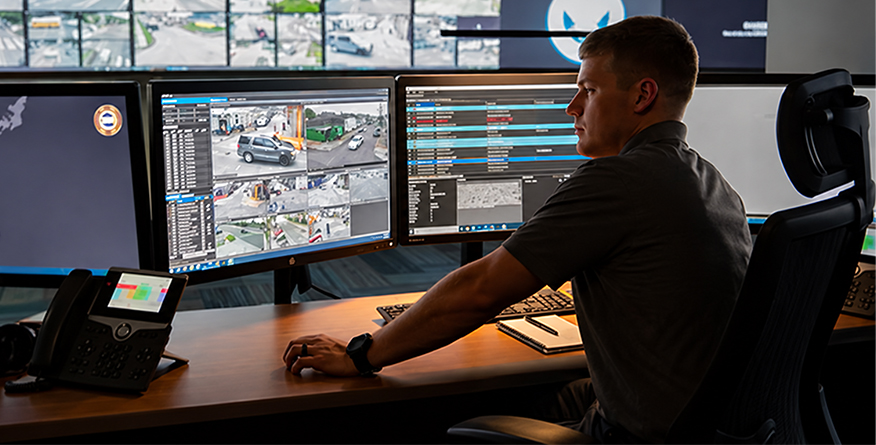
Large facilities may have hundreds of security devices across multiple buildings or areas. A centralized management platform can give security teams a clearer view of alarms, events, and system status from one location.
This can make it easier to monitor distributed properties and manage security operations more efficiently.
Challenges of Intrusion Detection Systems
While intrusion detection provides important security benefits, installing a system does not automatically guarantee effective protection. System design, configuration, maintenance, and integration all have an impact on performance.
False or Nuisance Alarms
False alarms can occur because of environmental conditions, incorrect sensor placement, equipment problems, or poorly configured detection settings. Frequent nuisance alarms can make it harder for security personnel to identify genuine threats.
Proper planning, installation, testing, and ongoing system optimization can help reduce unnecessary alarms and improve the usefulness of notifications.
Integration Complexity
Many commercial properties already use multiple security technologies, including cameras, access control, intercoms, monitoring platforms, and other systems. Connecting these technologies can require detailed planning to ensure they communicate properly and support the organization’s security processes.
An experienced security integrator can help determine how systems should work together and where integration can provide the most value.
Ongoing Maintenance
Security equipment needs to remain operational long after installation. Sensors, communication equipment, control panels, software, and related components should be tested and maintained to reduce the risk of system failures.
Regular maintenance can also help identify aging equipment or coverage gaps before they become larger problems.
Site-Specific Requirements
Every facility has its own layout, operating environment, and security risks. A system that works well in a small office may not provide appropriate coverage for a large warehouse, university campus, industrial property, or critical infrastructure facility.
For this reason, intrusion detection should be designed around the individual property rather than treated as a one-size-fits-all installation.
Intrusion Detection and Security System Integration
Modern commercial security is increasingly built around integrated systems. Instead of treating intrusion detection, access control, and surveillance as separate technologies, organizations can connect them so information from one system supports the others.
For example, an unauthorized door opening could generate an intrusion alert while the associated access control system identifies whether a valid credential was used. At the same time, nearby cameras can provide video of the event so security personnel can determine what actually happened.
This type of integration can improve situational awareness and make investigations more efficient. It also allows organizations to build a more coordinated response process across different security technologies.
Common systems that can be integrated with intrusion detection include:
- Video surveillance and CCTV
- Access control
- Video monitoring
- Intercom systems
- Perimeter security
- Alarm monitoring
- Centralized security management platforms

How to Choose the Right Intrusion Detection System
Selecting an intrusion detection system should begin with an assessment of the property and its security requirements. The goal is not simply to choose the largest number of sensors, but to determine where detection is actually needed and which technologies are appropriate for each area.
Start With a Security Assessment
Identify entrances, restricted areas, exterior boundaries, storage locations, equipment rooms, and other parts of the property that may require additional protection. A security assessment can also identify existing vulnerabilities and areas where the current security infrastructure may have gaps.
Understand the Threats
Consider what the organization is trying to detect or prevent. Risks may include unauthorized entry, theft, vandalism, after-hours access, perimeter breaches, or unauthorized access to sensitive assets.
Understanding these risks makes it easier to determine which detection technologies are appropriate.
Consider the Physical Environment
The physical environment can influence how sensors and detection technologies perform. Factors such as building construction, temperature, weather, lighting, normal movement, machinery, wildlife, and outdoor conditions should all be considered during system design.
Selecting equipment without considering these factors can increase the risk of nuisance alarms or inadequate coverage.
Look at Existing Security Systems
Organizations should also consider what they already have in place. An intrusion detection system may provide greater value when it can integrate with existing cameras, access control, monitoring, and security management platforms.
Integration can also reduce the need for security personnel to switch between multiple disconnected systems.
Plan for Future Expansion
Security requirements can change as an organization grows, expands its facilities, or changes how its spaces are used. A scalable intrusion detection solution can make it easier to add new protected areas or integrate additional technologies later.
Choose an Experienced Security Integrator
The final step is working with professionals who can design, install, configure, and maintain the system properly. A qualified security integrator can evaluate the property and recommend a solution based on the organization’s actual risks rather than simply selling a standard package.
Intrusion Detection for Different Commercial Environments
Intrusion detection requirements vary significantly depending on the type of facility being protected. The technology and coverage strategy should reflect how the property is used and what assets or people need protection.
Schools and Universities
Educational campuses often include multiple buildings, outdoor spaces, laboratories, administrative areas, equipment rooms, and restricted locations. An intrusion detection system can help monitor these areas and provide additional protection when buildings or specific zones are unoccupied.
Healthcare Facilities
Healthcare facilities have complex security requirements because they need to protect people, medical equipment, medications, restricted areas, and sensitive information while maintaining access for authorized personnel. Intrusion detection can be integrated with access control and surveillance to create layered protection across the facility.
Corporate Campuses
Corporate properties may need protection for offices, server rooms, executive areas, equipment spaces, parking areas, and other restricted locations. An integrated security system can help security teams manage these areas from a centralized platform.
Government Facilities
Government facilities may require multiple layers of security depending on the sensitivity of the property and the functions performed there. Intrusion detection can work alongside access control, surveillance, perimeter security, and monitoring systems to create a more comprehensive security environment.
Warehouses and Industrial Facilities
Warehouses and industrial properties often have large perimeters, multiple entrances, loading areas, storage zones, and valuable inventory or equipment. Perimeter detection, door sensors, motion detection, and video surveillance can be combined to address different security risks across the property.
Critical Infrastructure
Critical infrastructure facilities often require highly coordinated security because unauthorized access can have serious operational consequences. These properties may benefit from layered perimeter detection, facility intrusion detection, access control, video surveillance, and centralized monitoring.
Building a Layered Security Strategy
Intrusion detection is most effective when it is part of a larger security strategy. No single technology can address every possible threat, particularly in large commercial environments with multiple buildings, entrances, restricted areas, and operational requirements.
A layered strategy may combine physical barriers, access control, intrusion detection, video surveillance, perimeter security, monitoring, and trained security personnel. Each layer serves a different purpose, making it more difficult for a security event to go unnoticed or progress without detection.
For example, physical barriers can help delay unauthorized access, access control can restrict who is allowed to enter, intrusion detection can identify suspicious activity, and cameras can help verify what happened. When these systems are connected, security personnel have more information available when responding to an event.
Why Professional IDS Design and Installation Matter
Installing intrusion detection equipment is only one part of building an effective security system. The system must be designed around the property’s layout, vulnerabilities, operating environment, and security objectives.
Professional system design can help determine where detection is necessary, which technologies are appropriate, how sensors should be positioned, and how the system should interact with other security infrastructure. Proper configuration is also important for reducing nuisance alarms and ensuring that security personnel receive useful information.
Working with an experienced security integrator can also make future upgrades easier. As the facility grows or security requirements change, a professionally designed system can provide a stronger foundation for expansion and integration.
Conclusion
An intrusion detection system provides an important layer of protection for commercial organizations by helping identify unauthorized access and suspicious activity across protected areas. From door and motion sensors to perimeter detection and integrated security platforms, there are multiple technologies available depending on the property’s requirements.
The most effective solution is not necessarily the one with the most devices. It is the one that provides appropriate coverage, works reliably in the property’s environment, integrates with existing security technologies, and supports an effective response process.
For businesses, schools, healthcare facilities, government properties, industrial sites, campuses, and other large facilities, a professionally designed intrusion detection system can become an important part of a broader security strategy.