Access Control System Planning: A Practical Guide for San Diego Businesses
Planning an access control system is a critical step for organizations that want to secure their facilities, manage entry points, and maintain accountability without disrupting daily operations. For businesses and property owners in San Diego, access control system planning requires an understanding of local compliance needs, facility types, and long term scalability.
This guide explains how access control systems work, what to consider during the planning phase, and how San Diego businesses can make informed decisions before installation.
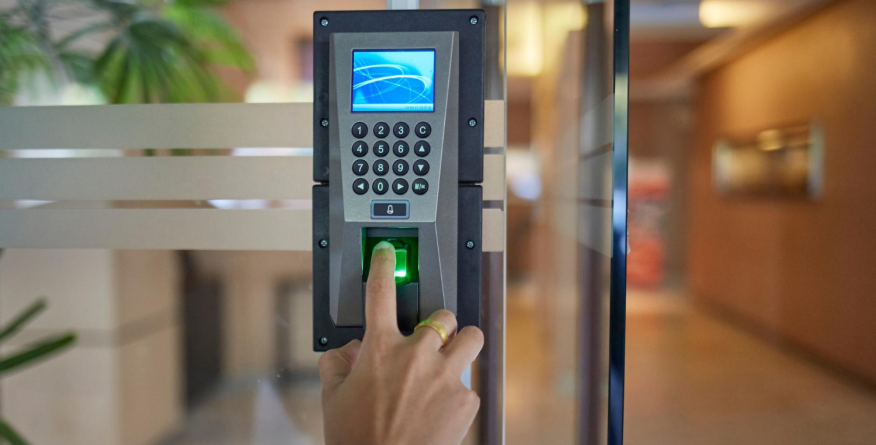
What Is an Access Control System?
An access control system is a security solution that regulates who can enter or exit a building, room, or restricted area. Instead of relying on traditional keys, modern access control systems use credentials such as key cards, mobile access, PIN codes, or biometric authentication.
Common environments that use access control systems in San Diego include:
- Commercial office buildings
- Healthcare facilities
- Educational institutions
- Industrial and warehouse facilities
Proper planning ensures the system aligns with the facility’s security goals and operational needs.
Why Access Control System Planning Matters
Access control system planning is not just about choosing hardware. It involves evaluating risks, defining access policies, and ensuring the system can adapt as the organization grows.
Without proper planning, businesses may face issues such as:
- Overly complex access permissions
- Security gaps at secondary entry points
- Difficulty scaling the system
- Compliance challenges
For San Diego based businesses, planning also helps account for regional building standards and industry specific regulations.
Key Factors to Consider When Planning an Access Control System
1. Facility Layout and Entry Points
Start by identifying all access points, including main entrances, side doors, elevators, parking areas, and restricted internal zones. Each access point may require a different access level or authentication method.
2. User Types and Access Levels
Access control systems should support role based access. During planning, categorize users such as:
- Employees
- Contractors
- Visitors
- Management
Each group should have clearly defined access permissions based on time, location, and responsibility.
3. Type of Access Control System
Different access control technologies serve different needs. Common options include:
- Card based access control systems
- Mobile credential systems
- Biometric access control
- Cloud based access control platforms
Choosing the right system depends on security requirements, budget, and operational complexity.
4. Integration With Other Security Systems
Access control systems often work best when integrated with:
- Video surveillance
- Alarm systems
- Visitor management systems
Planning integration early helps avoid compatibility issues later and creates a more unified security infrastructure.
5. Scalability and Future Expansion
San Diego businesses often expand, relocate, or add new departments. An access control system should be scalable enough to accommodate additional users, doors, or locations without requiring a complete system overhaul.
Cloud managed systems are commonly considered during planning due to their flexibility and remote management capabilities.

Local Considerations for Access Control Systems in San Diego
When planning an access control system in San Diego, businesses should also consider:
- Local building codes and fire safety requirements
- Industry specific compliance standards
- Coastal environment factors that may affect hardware durability
Working with professionals familiar with San Diego security infrastructure can help ensure the system is compliant and reliable.
Common Mistakes to Avoid During Access Control System Planning
Some common planning mistakes include:
- Treating access control as a one size fits all solution
- Ignoring future growth
- Overcomplicating user permissions
- Focusing only on hardware and not software management
Avoiding these issues early can reduce long term costs and operational challenges.
Final Thoughts
Access control system planning is a foundational step for protecting people, property, and sensitive information. For businesses operating in San Diego, thoughtful planning helps create a secure and efficient environment while supporting long term growth.
By understanding facility needs, user access requirements, and system capabilities, organizations can make informed decisions before implementation.