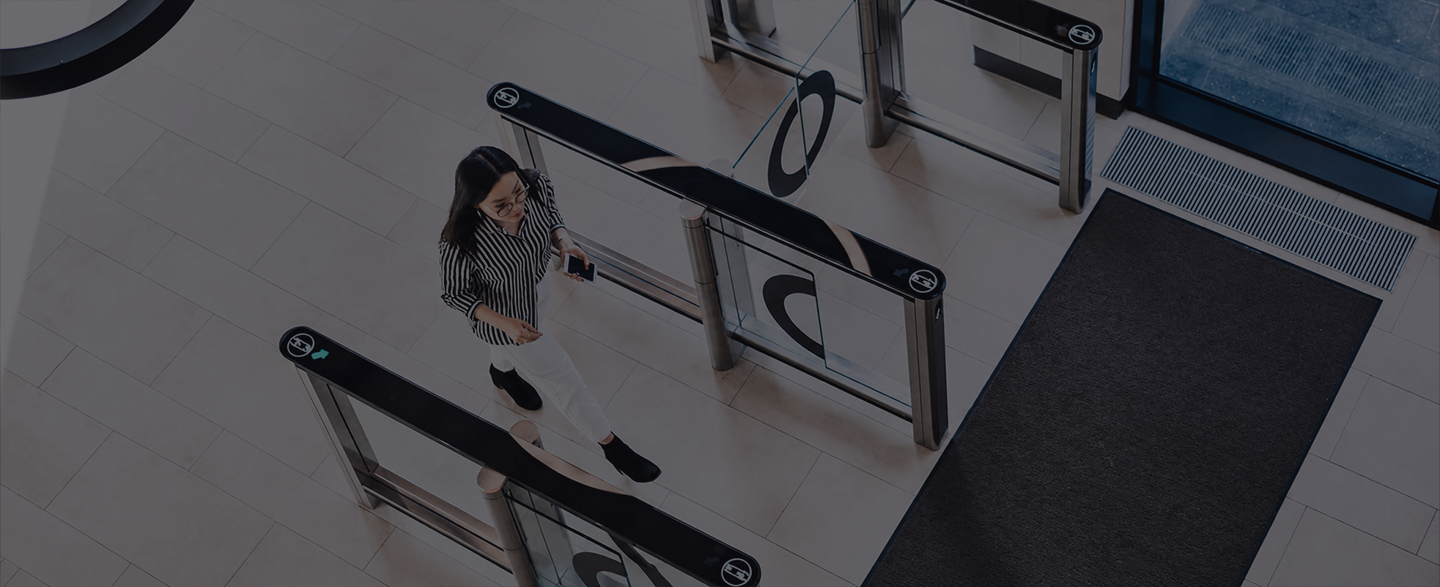
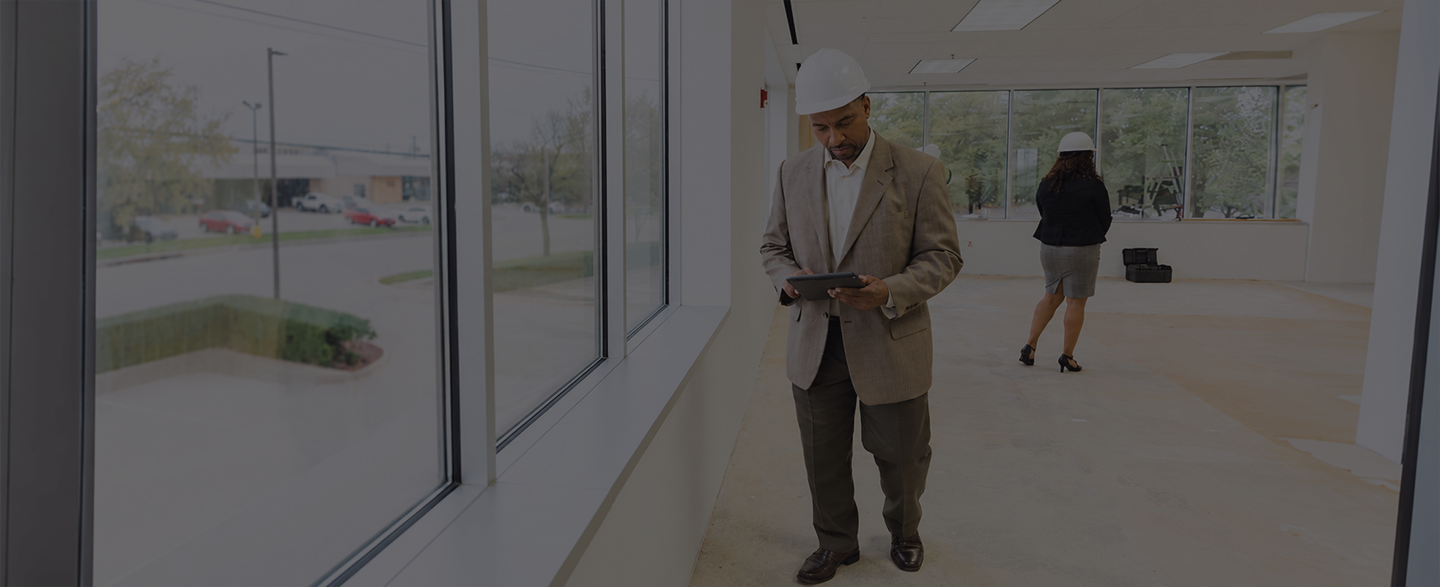
An entrance that does not close properly. An unlit parking area. A visitor who can walk straight past reception without being questioned.
These issues may seem minor during a normal working day, but they can create opportunities for unauthorized access, theft, or damage. People looking to commit a crime may notice gaps that employees have become accustomed to overlooking.
Understanding these weaknesses helps businesses assess their properties more carefully. The goal is to identify where physical protection, security systems, and everyday procedures need improvement.
Security Weaknesses Are Often Connected
A commercial property rarely depends on one security measure. Doors, lighting, cameras, access control, and employee procedures all contribute to its protection.
A weakness in one area can become more significant when another layer is missing. An unsecured entrance is a greater concern if nobody can see it, no alert identifies an unexpected opening, and sensitive interior areas remain unrestricted.
When assessing your business, consider how these measures work together. A camera may provide useful footage, but the entrance it covers still needs appropriate physical protection.
Poor Visibility Around the Property
Poor visibility can make unauthorized activity harder to notice. Dark exterior areas, obstructed sightlines, and gaps in camera coverage can leave parts of a commercial property difficult for employees or security personnel to observe.
Landscaping, parked vehicles, and storage containers can block views of entrances or outdoor areas. These conditions may change over time, so a space that was clearly visible when the security system was installed may no longer have adequate coverage.
Exterior lighting should help illuminate entrances, walkways, parking areas, and loading spaces. Businesses should assess these areas after dark, when failed fixtures or uneven lighting become more apparent.
A camera may still be recording while an obstruction, poor lighting, or a changed viewing angle prevents it from capturing useful detail. Reviewing both visibility and footage helps businesses identify gaps that need attention.
Unreliable Doors and Entry Points
Doors are among the most important physical boundaries on a commercial property. Their protection depends on the condition of the entire entrance.
A credential reader may operate correctly while the door closer, latch, or lock does not. Employees may also leave a door open for deliveries or convenience, unintentionally removing the protection it provides.
Businesses should pay attention to entrances that are used less frequently or sit outside the main reception area. These doors still need clear operating procedures and appropriate maintenance.
Common issues worth checking include:
- Doors that fail to close and latch consistently
- Damaged locks, frames, or supporting hardware
- Entrances routinely left open during business activities
- Door faults that are reported but remain unresolved
Fixing these problems can strengthen an existing security system without immediately adding more technology.
Inconsistent Access Control
Access control helps businesses manage who enters the property and which areas they can reach. Its effectiveness depends on accurate permissions and consistent use.
Shared credentials reduce accountability. Access that remains active after someone leaves the business creates an avoidable gap. Permissions that are broader than necessary can expose areas that an employee or contractor does not need to enter.
Access Permissions Should Reflect Current Responsibilities
A business should have a clear process for granting, changing, and removing access.
Employees changing roles may need different permissions. Contractors may require access only for the duration of their work. Visitors should receive access appropriate to their visit.
Reviewing these permissions regularly helps ensure the system reflects the people currently using the property.
Employee Behavior Supports Secure Entry
Even a well maintained access control system can be undermined when someone allows an unfamiliar person to follow them through a secure door.
Staff need practical guidance on handling this situation politely and safely. Directing visitors to reception or following an established verification process can help preserve the entrance’s intended protection.
Gaps in Visitor and Contractor Procedures
Commercial properties often receive delivery drivers, maintenance workers, customers, and other visitors. That movement is normal, but unclear procedures can make unauthorized presence harder to recognize.
If nobody knows who is expected, why they are there, or which areas they can access, staff may assume that someone unfamiliar has already been approved.
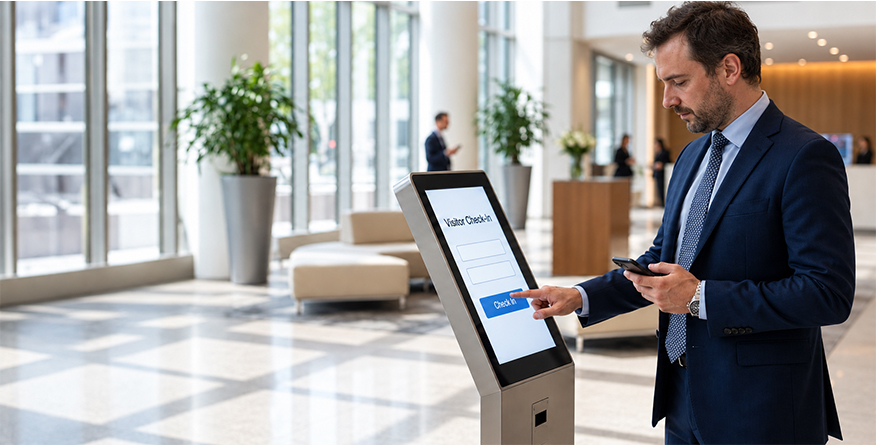
A consistent process helps visitors reach the right person while maintaining control over the property. Depending on the business, this may involve reception check in, appointment confirmation, temporary identification, or an escort to restricted areas.
The procedure should be easy to follow. A complicated process that employees regularly bypass provides limited protection.
Exposed Equipment and Valuable Assets
Security planning should consider where valuable items are stored and who can access them.
Equipment, inventory, keys, credentials, and confidential records can become vulnerable when they are left in public areas or spaces with unnecessarily broad access. Outdoor storage and loading areas may also need protection suited to their use.
Businesses should assess whether their most valuable or sensitive assets sit behind appropriate physical and procedural boundaries.
This does not mean restricting every room equally. The aim is to match protection to the asset and its importance to the business. A public meeting space and a room containing critical equipment have different requirements.
Security Systems Without a Clear Response
A property can have cameras and alarms yet still lack an effective way to respond to an incident.
Recording footage supports investigation, but it does not automatically provide immediate awareness. An alarm notification may reach a phone or inbox without anyone being clearly responsible for assessing it.
Detection Needs an Assigned Owner
Businesses should know who receives security alerts and what that person is expected to do.
The process should account for business hours, evenings, weekends, and staff absences. It should also define when an event needs escalation and how responders can access relevant information.
Employees should not be left to improvise or feel responsible for personally investigating a dangerous situation.
A useful review asks:
- Who receives alerts from each system?
- Is someone responsible for assessing them?
- Can that person access the necessary footage or event information?
- Is there a clear escalation procedure?
Answering these questions can reveal operational gaps that equipment alone cannot resolve.
Maintenance Problems That Become Normal
Repeated faults can gradually become accepted as part of daily operations.
A door that needs an extra push to close, a camera with an obstructed view, or an alarm that produces frequent unwanted notifications may stop receiving attention. Employees may develop workarounds rather than reporting the problem again.
These habits can weaken protection over time. Frequent unwanted alerts, for example, may make it harder for staff to distinguish an event that needs attention.
Businesses should track faults through to resolution and verify that repairs restore the intended function. Maintenance should address both equipment conditions and how people use the system.

How to Review Your Commercial Property
A useful security review examines the property as it operates, including busy periods, deliveries, closing procedures, and times when fewer people are present.
Walk Through the Site With Fresh Eyes
Look at entrances, shared spaces, restricted rooms, and exterior areas without assuming that existing measures are sufficient.
Consider whether a visitor can understand where to go, whether staff can recognize unexpected presence, and whether doors and other boundaries perform their intended roles.
Include employees who regularly use the space. They may know about recurring problems that are not obvious during a brief inspection.
Prioritize Practical Improvements
Start with weaknesses that affect essential protection.
Repairing a faulty entrance, removing outdated access permissions, or assigning responsibility for alarms may provide immediate value. Larger improvements can then address coverage gaps, additional restrictions, or appropriate system integration.
Priorities should reflect the property’s risks, operational needs, and available budget.
Reassess After Changes
Security needs can change when a business expands, adds equipment, changes operating hours, or introduces a new entrance.
Reviewing protection after these changes helps prevent gaps between the original security design and the way the property is now used.
Conclusion
Commercial security depends on more than the presence of cameras, locks, and alarms. Those measures need to function correctly, support one another, and fit the way the business operates.
Regular assessments can help identify overlooked weaknesses and prioritize practical improvements before an incident exposes them.
Electro Specialty Systems helps businesses in San Diego assess and strengthen their physical security through access control, video surveillance, intrusion detection, system integration, and ongoing maintenance.
Contact ESS to arrange a free security assessment and identify weaknesses in your commercial property.