The Growing Challenge of Vaping in Schools
Vaping has become one of the most significant health and safety challenges facing educational institutions across California. According to the FDA and CDC, e-cigarette use among middle and high school students remains at alarming levels, with discreet devices making detection increasingly difficult for administrators. Traditional supervision methods often fall short, particularly in privacy-sensitive areas like restrooms and locker rooms where students frequently use these devices.

What Are Vape Detection Systems?
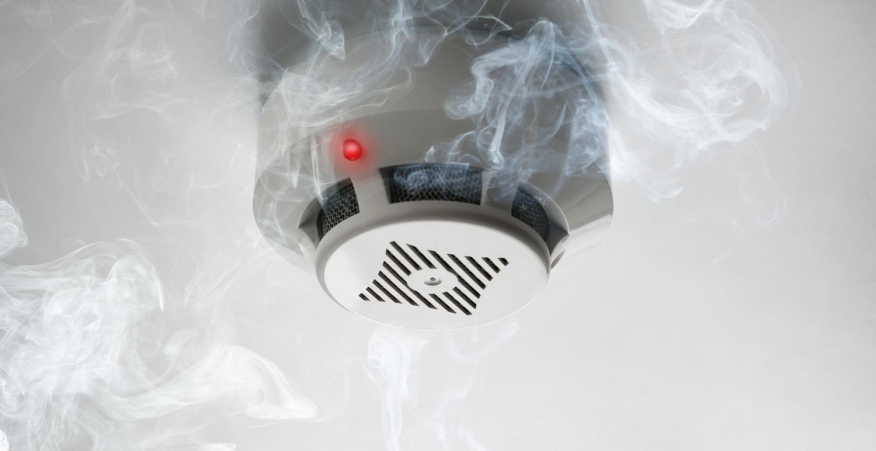
Vape detection systems are advanced environmental sensors designed to identify the chemical signatures present in e-cigarette vapor. Unlike traditional smoke detectors that respond to combustion particles, these specialized sensors detect ultrafine particles and volatile organic compounds (VOCs) specific to vaping aerosols.
Modern school vape detectors combine multiple detection technologies:
- Particulate Sensors: Detect ultrafine particles (0.3-1.0 microns) released during vaping.
- VOC Detection: Identifies chemical compounds like propylene glycol and glycerin found in e-liquid vapor.
- Air Quality Monitoring: Tracks changes in environmental conditions that correlate with vaping activity.
- Tamper Detection: Alerts administrators if devices are disabled or damaged.
These systems integrate seamlessly with existing security infrastructure, sending real-time notifications to administrators’ smartphones or security offices when vaping is detected.
Key benefits for educational institutions include:
1. Health & Safety Compliance
California’s strict indoor air quality standards require educational facilities to maintain healthy environments. Vaping introduces harmful chemicals including nicotine, heavy metals, and ultrafine particles that compromise air quality. E-cigarette detection technology helps schools identify and address these violations promptly.
2. Deterrence Through Awareness
Visible vape detection systems San Diego campuses install serve as powerful deterrents. When students know monitoring technology is active, vaping incidents decrease significantly. This proactive approach shifts culture without requiring confrontational enforcement.
3. Resource Optimization
Administrators spend countless hours investigating vaping complaints and monitoring restrooms. Automated detection systems provide precise location data and timestamps, allowing staff to respond efficiently to verified incidents rather than conducting random checks.
4. Evidence Documentation
Modern sensors provide timestamped alerts and can integrate with camera systems to document incidents. This evidence supports disciplinary processes while protecting student privacy rights through targeted, justified responses.
How Vape Detection Technology Works
Understanding the technical capabilities helps educational leaders make informed decisions about campus air quality monitoring investments.
Detection Methodology
- Propylene glycol and vegetable glycerin
- Nicotine and flavoring chemicals
- Ultrafine particulate matter
- Volatile organic compounds
Advanced sensors analyze air samples using laser-based particle counting and chemical detection algorithms. Systems distinguish between vaping aerosols and common environmental contaminants like perfume, cleaning products, or body spray through sophisticated signature analysis.
Legal and Privacy Considerations
California educational institutions must navigate specific legal frameworks when implementing monitoring technology:
- Privacy Rights: Vape detectors monitor air quality, not individuals, avoiding Fourth Amendment concerns associated with cameras or audio recording.
- Notification Requirements: Schools must disclose environmental monitoring in student handbooks and posted notices.
- Data Retention: Alert logs should follow district retention policies, typically 1-3 years for disciplinary records.
- Disability Accommodations: Ensure detection systems don’t create barriers for students with respiratory conditions or chemical sensitivities.
Working with experienced San Diego security integrators ensures compliance with California education code and privacy regulations.
The Future of Campus Air Quality Monitoring
As vaping technology evolves, detection systems advance accordingly. Emerging capabilities include:
- AI-Powered Analytics: Machine learning algorithms that improve accuracy and reduce false positives.
- Predictive Modeling: Data analysis identifying patterns and high-risk time periods.
- Multi-Sensor Fusion: Integration with noise detection and occupancy sensors for comprehensive monitoring.
- Health Monitoring: Expanded air quality tracking for CO2, allergens, and pollutants.
San Diego schools investing in modern detection platforms position themselves for seamless upgrades as technology progresses.
Conclusion
Vape detection represents a critical component of modern school safety infrastructure. For San Diego educational institutions, these systems provide the technological capability to address youth vaping effectively while maintaining student privacy and operational efficiency.
By implementing school vape detectors, administrators demonstrate commitment to student health, regulatory compliance, and campus safety. The investment pays dividends through reduced incidents, improved air quality, and optimized administrative resources.