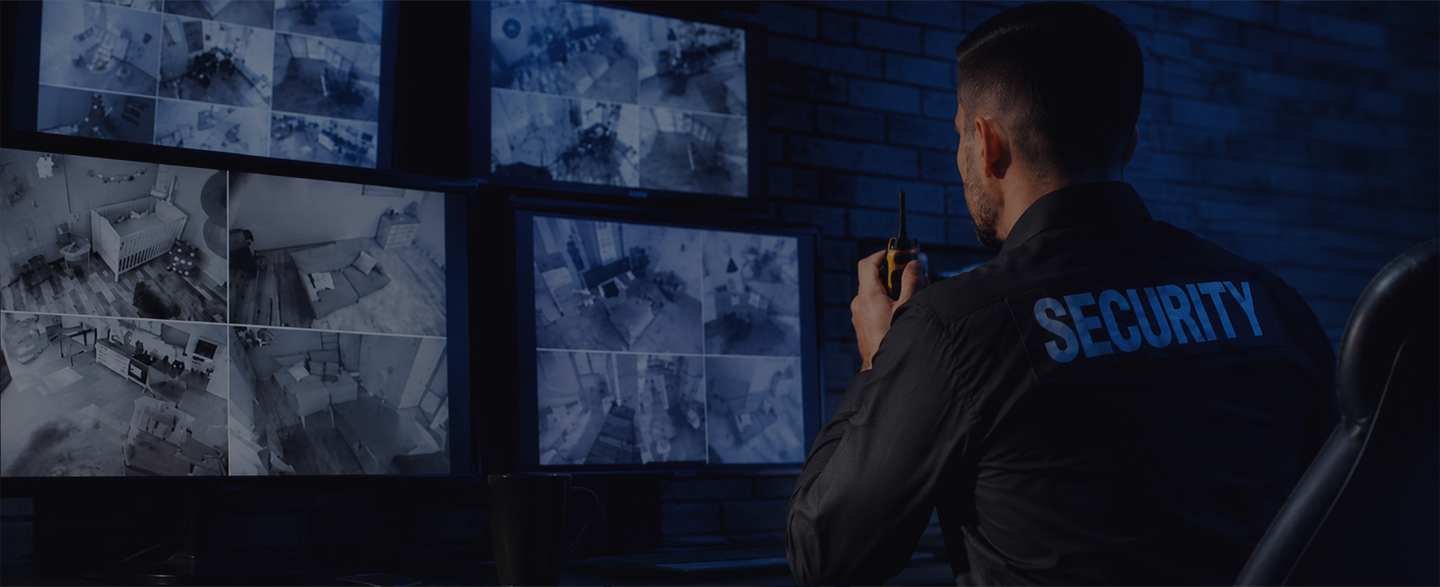
A commercial facility may rely on several security systems at the same time. Access control manages who can enter restricted areas. Video surveillance provides visual information about activity. Intrusion detection identifies unauthorized activity or other alarm conditions. Other systems may support communication, environmental monitoring, or emergency response.
Each system can perform its intended function independently. But when these systems operate in isolation, security teams may have to monitor multiple platforms and manually connect information from one system to another.
That can make it harder to understand what is happening during an incident and more time-consuming to investigate what happened afterward.
This is where security system integration can make a difference.
Integration does not mean every security system needs to be replaced or connected to every other system. Instead, it means designing compatible technologies and workflows so relevant systems can exchange information or support coordinated actions where it makes operational sense.
What Does It Mean for Security Systems to Talk to Each Other?
When security systems “talk to each other,” they are able to exchange information through an integration, interface, protocol, or other supported connection.
Consider a simple example.
An access control system records that a credential was used to open a restricted door. A nearby camera may have captured activity at the same entrance. If those systems are integrated appropriately, security personnel may be able to associate the access event with relevant video rather than treating the two events as completely separate pieces of information.
The same principle can apply to intrusion detection and video surveillance. An alarm can identify that an event occurred, while video may provide additional information that helps an operator assess the situation.
The exact capabilities depend on the products, software, supported interfaces, and configuration involved.
Industry standards can help with interoperability. ONVIF, for example, develops standardized interfaces for IP-based physical security products and services, including video and physical access control. However, ONVIF conformance is tied to specific profiles and products, so simply seeing an “ONVIF” label does not mean every feature will work between every device.
What Happens When Security Systems Operate in Silos?
Disconnected systems are not necessarily bad systems. A standalone access control system can still control doors. A standalone video system can still record footage.
The challenge is what happens when security personnel need to connect information from those systems.
Security Teams Have to Piece Together Information
During an incident, context matters.
An alarm may tell an operator that something happened at a particular location. Access control may show which credential was used. Video may show what was happening in the area.
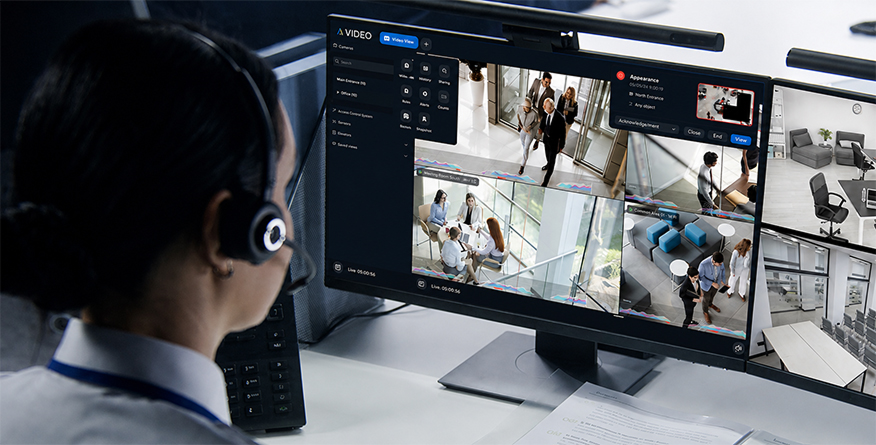
When those systems operate separately, an operator may have to check each platform individually and compare timestamps, locations, and events.
That manual process can make incident assessment more complicated, particularly in facilities with many doors, cameras, and alarm points.
Response Workflows Can Become More Manual
A disconnected environment can require operators to perform several steps before they have enough information to assess an event.
For example, an operator might:
- Receive an alarm notification.
- Identify the affected location.
- Open the video management system.
- Find the camera covering that area.
- Review the relevant footage.
- Check access control records.
- Determine whether the events appear related.
- Decide what action is appropriate.
An integrated environment can reduce some of these manual steps by presenting related information together or initiating predefined workflows.
That does not mean integration eliminates human decision-making. It means technology can help organize information so security personnel can spend less time gathering it.
Investigations Can Take Longer
Security investigations often require information from multiple sources.
A facility may need to review video, access events, alarm records, and other logs to establish a timeline.
When those records are maintained in separate systems, investigators may need to manually correlate them. The process can become particularly cumbersome when an incident involves multiple areas or occurs across a large facility.
Integration can help organize related information, provided the systems have the necessary integration capabilities.
Integration Can Connect Detection With Verification
One of the strongest reasons to integrate security systems is to connect an event with additional information.
Detection and verification are not the same thing.
An intrusion sensor may generate an alarm, but the alarm alone may not tell an operator exactly what caused it. Video can potentially provide additional context about activity in the area.
Similarly, an access control event can show that a credential was used at a particular door. Associated video may help security personnel understand what was happening around that entry point.
This is an example of layered physical security. CISA describes video monitoring, intrusion detection, and electronic physical access control as technologies that can be deployed as standalone systems or as part of an integrated environment to support physical security functions such as deterrence, detection, delay, and response.
The objective is not to make one technology replace another. Each system contributes different information.
Integration helps those layers work together.
What Does an Integrated Security System Look Like?
There is no single definition of an integrated security system, and the architecture can vary significantly between facilities.
A smaller commercial building might integrate access control with video surveillance at key entrances.
A larger facility could have multiple systems connected through a security management platform, with integrations between video, access control, intrusion detection, and other technologies.
For example, a facility might configure its security environment so that an access control event is associated with a nearby camera. A security operator could then review the event and relevant video within the same workflow.
Another facility might connect an intrusion alarm with video so that an operator can quickly view the area associated with an alarm.
These workflows should be designed around the organization’s needs rather than simply connecting systems because an integration is available.
Does Integration Mean Replacing Your Existing Security Systems?
Not necessarily.
One of the benefits of planning an integrated security environment is the potential to work with existing infrastructure where compatibility allows it.
Whether an existing camera, access control panel, sensor, or other device can be integrated depends on factors such as its manufacturer, model, firmware or software version, available interfaces, supported standards, and the capabilities of the system receiving the information.
Standards such as ONVIF are intended to make interoperability between compatible IP-based security products easier. ONVIF currently supports profiles covering areas including video streaming, recording and storage, access control, and analytics metadata.
However, organizations should verify compatibility before assuming that two products will support a particular integration.
A security integrator can assess the existing environment and determine what can be connected, what may require additional software or hardware, and where replacement may be necessary.
Signs Your Security Systems May Be Too Disconnected
Your facility may benefit from reviewing its security integration strategy if your team regularly experiences problems such as:
- Monitoring several separate security platforms
- Manually matching access events with video footage
- Switching between applications to investigate alarms
- Searching multiple systems after an incident
- Maintaining separate response procedures for related security events
- Having limited context when an alarm is generated
- Discovering that newer security products cannot easily work with existing equipment
These issues do not automatically mean your security infrastructure is inadequate.
They may simply indicate that your current systems were installed at different times or for different purposes and have never been evaluated as one overall security environment.
How to Approach Security System Integration
Before integrating systems, start with the facility’s security requirements.
Identify Your Most Important Workflows
Determine which events require the fastest assessment and which information security personnel need to make decisions.
For example, you might prioritize integration between access control and video at sensitive entrances or between intrusion detection and cameras in restricted areas.
Audit Your Existing Infrastructure
Document the systems currently in use, including manufacturers, models, software versions, network requirements, supported protocols, and available interfaces.
This provides a realistic picture of what can be integrated.
Define What You Want Integration to Accomplish
Avoid integrating systems simply because the technology allows it.
Instead, identify specific operational goals.
Do you want operators to access associated video when an alarm occurs? Do you want access events and video presented together? Do you need centralized event management?
Defining the desired workflow first makes it easier to determine which integrations are actually valuable.
Consider Future Expansion
Security infrastructure changes over time.
Facilities add doors, cameras, sensors, buildings, and new technologies. A system designed without interoperability in mind can become increasingly difficult to expand.
Using compatible products and established interfaces where appropriate can provide more flexibility as the security environment evolves. ONVIF identifies interoperability and the ability to integrate products from different vendors as key objectives of its standards.
The Role of a Security Systems Integrator
Security integration is more than connecting devices to the same network.
A qualified security integrator can evaluate the facility’s existing systems, identify operational requirements, review compatibility, and design an integration strategy around how security personnel actually work.
This is particularly important for commercial facilities with multiple buildings, legacy equipment, different security vendors, or complex access requirements.
The goal should not be to create the most complicated security environment possible.
It should be to create a system that provides security personnel with the right information at the right time and supports a clear, manageable response process.
Build a More Connected Security Environment
Your security systems each have a purpose. Access control manages entry. Video surveillance provides visual information. Intrusion detection identifies potential security events.
But when these technologies operate completely independently, security personnel may have to do the work of connecting the information themselves.
A thoughtfully integrated security environment can bring relevant events together, reduce unnecessary manual steps, and give operators more context when assessing incidents.
Integration is not a guarantee of better security, and it does not mean every system needs to communicate with every other system. The value comes from connecting the systems and workflows where better communication can support the facility’s specific security objectives.
Conclusion
When security systems don’t talk to each other, the biggest problem may not be that the individual systems are failing. The problem is that valuable information can remain separated across different platforms.
An access event, camera recording, and intrusion alarm may each provide useful information on their own. Connecting compatible systems can help security teams see how those events relate, investigate incidents more efficiently, and build more coordinated response workflows.
The right approach depends on the facility, its existing technology, and its security requirements. Before adding new equipment or replacing an entire system, it is worth evaluating what you already have and determining where integration could provide the greatest operational benefit.
If your security systems are operating in silos, Electro Specialty Systems can help evaluate your existing infrastructure and identify opportunities to build a more connected security environment.